

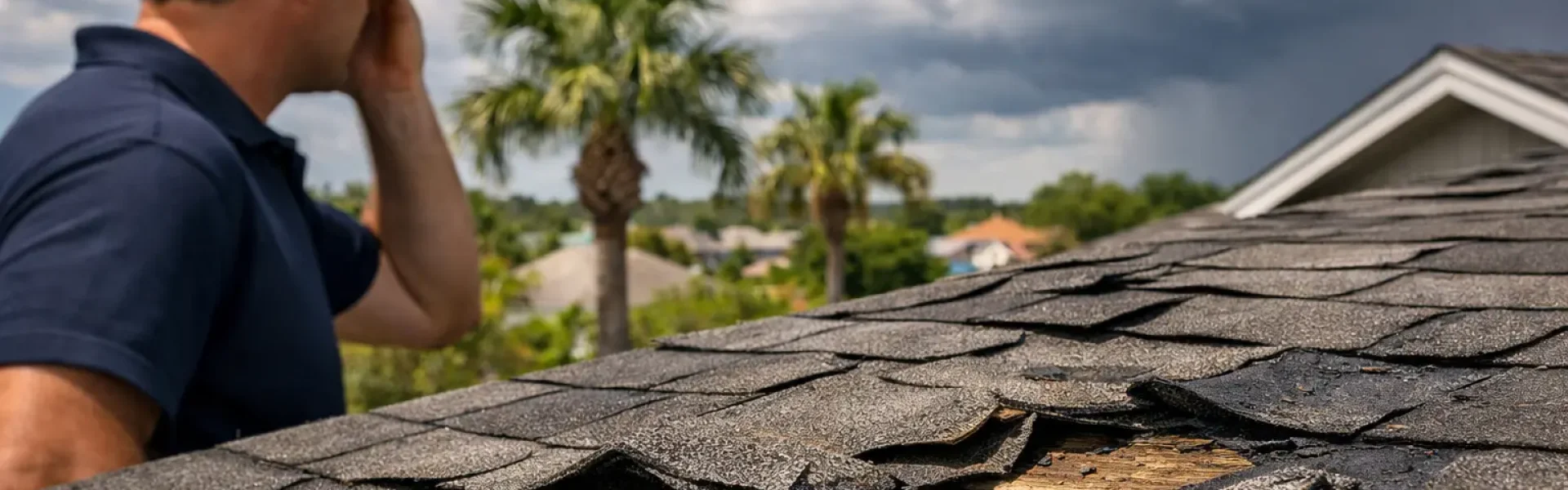
When to Replace a Roof in Florida: Signs South Florida Homeowners Should Not Ignore
A roof in South Florida rarely fails all at once. Instead, it gives homeowners warning signs—a ceiling stain after a summer storm, lifting shingles, standing water on a flat roof, or granules collecting in the gutters.
If you are wondering when to replace a roof in Florida, the answer depends on several factors: age, storm exposure, roofing material, and how well the system has handled heat, humidity, and hurricane seasons.
For homeowners in Miami-Dade and Broward, this decision goes beyond appearance. It is about protecting your home, avoiding insurance issues, and staying prepared before the next major storm.
When to Replace a Roof in Florida Depends on More Than Age
Age is important, but it is not everything.
Two roofs installed in the same year can perform very differently depending on:
- Installation quality
- Ventilation
- Exposure to salt air
- Storm history
- Maintenance
In South Florida, extreme weather accelerates wear faster than in other regions.
- Shingle roofs may deteriorate sooner due to UV exposure
- Tile roofs last longer, but underlayment often fails first
- Flat roofs can wear unevenly, especially with poor drainage
The real question is not just “How old is my roof?” but:
👉 “Is my roof still protecting my home properly?”
Top Signs It’s Time to Replace Your Roof in South Florida
Some issues can be repaired. Others signal full replacement is needed.
1. Repeated Roof Leaks
A single leak may be repairable.
But multiple or recurring leaks usually indicate system failure.
2. Visible Roof Damage
- Curling or cracked shingles
- Missing materials
- Granule loss
- Broken or shifted tiles
These are clear signs your roof is aging.
3. Flat Roof Problems
- Standing water
- Blistering or bubbling
- Open seams
- Soft spots
These often indicate trapped moisture and deeper damage.
4. Interior Warning Signs
- Ceiling stains
- Peeling paint
- Mold or mildew smells
- High indoor humidity
Roof problems often show inside first.
How South Florida Weather Affects Roof Lifespan
South Florida roofs face extreme conditions:
- Intense UV exposure
- Heavy rainfall
- Hurricane-force winds
- Salt air corrosion
This means roofs here typically age faster.
A roof that seems “fine” today may fail during hurricane season.
👉 Waiting too long increases the risk of:
- Interior water damage
- Mold growth
- Structural issues
- Higher repair costs
Should You Repair or Replace Your Roof?
When Roof Repair Makes Sense
- Damage is small and localized
- Roof is relatively new
- No history of recurring issues
When Roof Replacement Is Better
- Roof is near end of lifespan
- Multiple repairs already done
- Widespread damage
- Storm-related wear across sections
👉 If repairs are becoming frequent, replacement is usually the smarter long-term investment.
Roof Replacement and Florida Insurance Considerations
In Florida, roofing decisions often affect insurance.
Older roofs can:
- Trigger inspections
- Increase premiums
- Affect policy eligibility
Even if your roof has not failed, visible aging can create problems.
👉 A proactive inspection helps you:
- Understand remaining lifespan
- Avoid surprises
- Plan financially
Roof Material Matters in South Florida
Different roofing systems have different timelines:
Asphalt Shingles
- Affordable but shorter lifespan in Florida
- Vulnerable to heat and wind
Tile Roofs (Concrete or Clay)
- Durable exterior
- Underlayment often fails first
Flat Roof Systems
- Require careful drainage
- Hidden damage is common
👉 Always evaluate the entire system, not just the surface.
What to Expect During a Roof Replacement in South Florida
A professional roof replacement should include:
- Detailed inspection
- Clear explanation of condition
- Material options and recommendations
- Permit handling
- Code-compliant installation
- Final inspection
In South Florida, performance depends on:
- Wind resistance
- Waterproofing
- Installation quality
👉 Even the best materials fail with poor installation.
How to Know If It’s Time to Replace Your Roof
If your roof shows:
- Visible wear
- Leak history
- Aging materials
👉 Now is the time to act.
Waiting rarely saves money in Florida—it usually increases costs.
Final Thoughts: Protect Your Home Before the Next Storm
A roof does more than cover your home—it protects everything inside it.
Understanding when to replace a roof in Florida helps you:
- Avoid costly damage
- Stay compliant with insurance
- Prepare for hurricane season
- Protect your long-term investment
If you are unsure, start with a professional inspection. The right decision today can save you thousands and give you peace of mind before the next storm arrives.
