
If you live in South Florida, you have probably heard the term often, especially during storm season or while getting estimates for home upgrades. But what is a hurricane rated window, exactly? It is not just a thicker piece of glass. It is a specially engineered window system designed to withstand extreme wind pressure, flying debris, and the repeated stress that hurricanes can put on a home.
That distinction matters. During a major storm, windows are one of the most vulnerable parts of the house. If a window breaks, wind can rush inside, increase internal pressure, and make roof and structural damage much worse. A true hurricane rated window is built to reduce that risk, but not every window marketed as “strong” or “storm-resistant” meets that standard.
What Is a Hurricane Rated Window and How Does It Work?
A hurricane rated window, often called an impact window, is a window that has been tested and approved to perform under hurricane conditions. The system includes more than the glass. It also involves the frame, the interlayer between panes, the hardware, and the way the unit is anchored to the home.
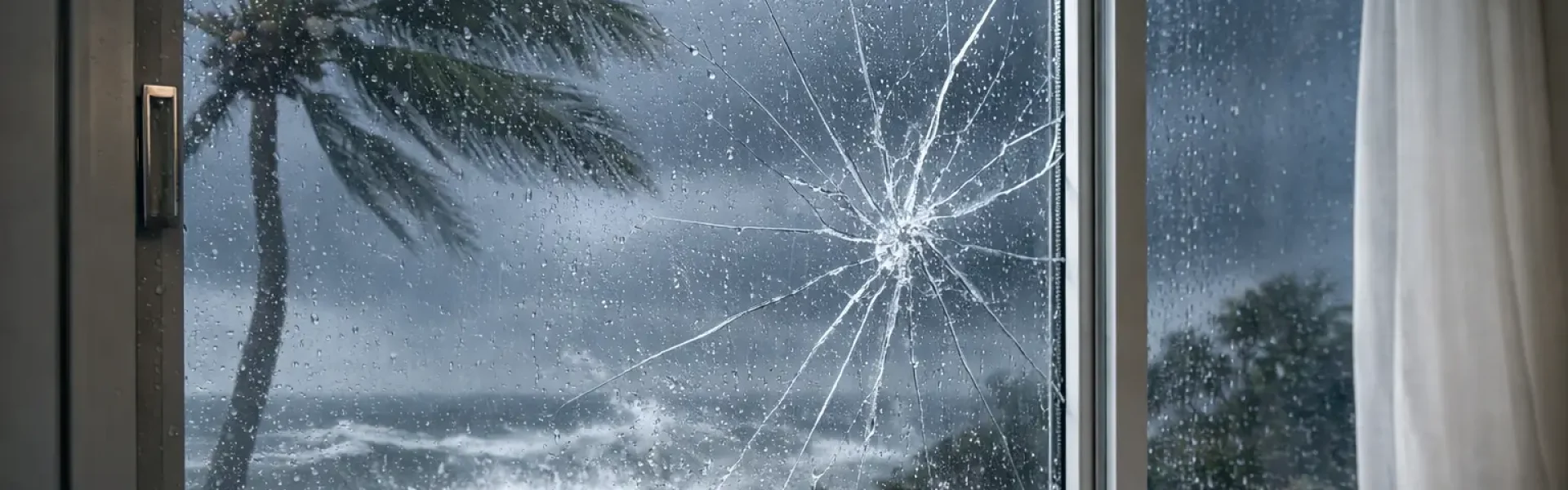
Most hurricane rated windows use laminated glass. That means two layers of glass are bonded with a strong inner membrane, often made of polyvinyl butyral or a similar material. If the glass is struck by debris, it may crack, but the pieces are designed to stay adhered to that inner layer instead of shattering into the home.
This is one of the biggest differences between standard windows and impact windows. A standard window might break on the first hard hit. A hurricane rated window is built to resist penetration and remain in place even after impact. The goal is not always that the glass looks perfect after a strike. The goal is that the opening stays protected.
What Makes a Window Hurricane Rated?
For a window to be considered hurricane rated, it must pass specific performance testing. In South Florida, these standards are especially strict because the region faces some of the highest wind and storm risks in the country.
Testing typically includes large missile impact testing, which simulates windborne debris such as lumber or other storm-thrown objects. The window is struck at high speed, then subjected to cyclic pressure testing that pushes and pulls on the unit to mimic hurricane wind forces. This matters because a window might survive a hit but still fail under ongoing pressure changes if the frame or seals are weak.
A true hurricane rated product is evaluated as a complete system. That means the glass alone is not enough. The frame must hold, the sash must remain secure, and the installation method must match the product approval. Even the best window can underperform if it is installed incorrectly.
For homeowners in Miami-Dade and Broward, code compliance is not just a box to check. Product approvals, design pressure ratings, and installation requirements all play a direct role in how the window performs when conditions turn serious.
Hurricane Rated Windows vs. Standard Windows
From the street, the difference is not always obvious. Many impact windows look just as clean and attractive as standard residential windows. The real difference shows up in the engineering.
Standard windows are primarily designed for everyday weather, insulation, and appearance. Hurricane rated windows are designed for those things too, but with a much stronger emphasis on structural performance. They use reinforced frames, stronger glazing systems, and installation methods intended to resist uplift, pressure shifts, and impact.
There is also a practical difference in how homeowners prepare for storms. With standard windows, many families rely on shutters or plywood. With hurricane rated windows, the protection is already built in. That means no rushing to install panels before a storm and no worrying about whether every opening was covered in time.
That convenience is a major reason many South Florida homeowners upgrade, but it should not be the only reason. The bigger value is year-round protection and peace of mind.
What Hurricane Rated Windows Do Well
Impact windows are known for storm protection, but that is not their only benefit. They also help reduce outside noise, improve energy efficiency, and add security against break-ins. Laminated glass is harder to penetrate than standard glass, and quality frames can improve the overall strength of the opening.
Energy performance depends on the product selected. Some hurricane rated windows include low-E coatings, insulated glass, and other features that help reduce heat transfer. In a hot, sunny climate like South Florida, that can make a noticeable difference in comfort and cooling costs.
They also support curb appeal and resale value. Buyers in this market understand the importance of storm protection. A home with properly installed impact windows can stand out, especially when insurance considerations and code expectations are part of the conversation.
What a Hurricane Rated Window Does Not Guarantee
This is where homeowners need clear answers. A hurricane rated window is built to resist impact and pressure, but it is not an indestructible product. Under extreme conditions, glass can still crack. Frames can still be tested. Water intrusion can still happen if surrounding construction details are poor or if the product is not right for the opening.
It also does not mean every impact window performs the same way. Some products are approved for higher design pressures than others. Some are better suited for large openings or homes in more exposed locations. A waterfront property, for example, may need a different specification than a home farther inland.
That is why product selection should never be based on price alone. The right window depends on your home’s size, exposure, opening dimensions, code requirements, and long-term goals.
Why Installation Matters as Much as the Window
One of the most common misunderstandings is that homeowners are buying glass only. In reality, you are buying a complete protective system, and installation is part of that system.
An impact window has to be anchored correctly to the structure. The fasteners, spacing, sealants, and attachment methods all need to match the approved design. If the installation is rushed or improvised, the window may not perform the way it was designed to.
In South Florida, this matters even more because building codes are demanding for a reason. The area has seen what happens when openings fail. A qualified installer understands local permitting, product approvals, inspection requirements, and how to match the right system to the right home.
That is one reason homeowners often choose a company that handles the process from measurement to permitting to final installation. The fewer gaps in communication, the better the outcome.
How to Know If a Window Is Truly Hurricane Rated
If you are comparing options, ask direct questions. Is the product impact rated? Does it have the required approvals for your area? What is the design pressure rating? Is the installation included according to manufacturer and code requirements? Will permits be pulled and inspections handled properly?
You should also ask about frame material, glass makeup, warranty coverage, and whether the product is a good fit for your specific opening sizes. Large picture windows, sliders, and custom shapes may have different requirements than a standard bedroom window.
A trustworthy contractor should be able to explain the difference without relying on vague marketing terms. Words like storm-resistant or heavy-duty are not enough. In this market, homeowners deserve specifics.
Is a Hurricane Rated Window Worth It?
For many South Florida homeowners, yes. The upfront investment is higher than standard windows, but the value goes beyond one storm season. You are improving protection, reducing maintenance around storm prep, and potentially gaining energy, noise, and resale benefits at the same time.
That said, every home is different. If you are replacing a few windows versus the entire house, the budget and timeline may shape the approach. Financing can also make the project more manageable, especially if your goal is to complete a full exterior upgrade rather than patch together partial improvements over time.
The smartest path is to get a professional evaluation based on your property, not a generic sales pitch. A local expert can assess your current windows, explain your code requirements, and recommend products that fit your home and priorities.
For homeowners across South Florida, understanding what is a hurricane rated window is the first step. Choosing the right one, and having it installed the right way, is what turns that knowledge into real protection when the weather does not give second chances.
