

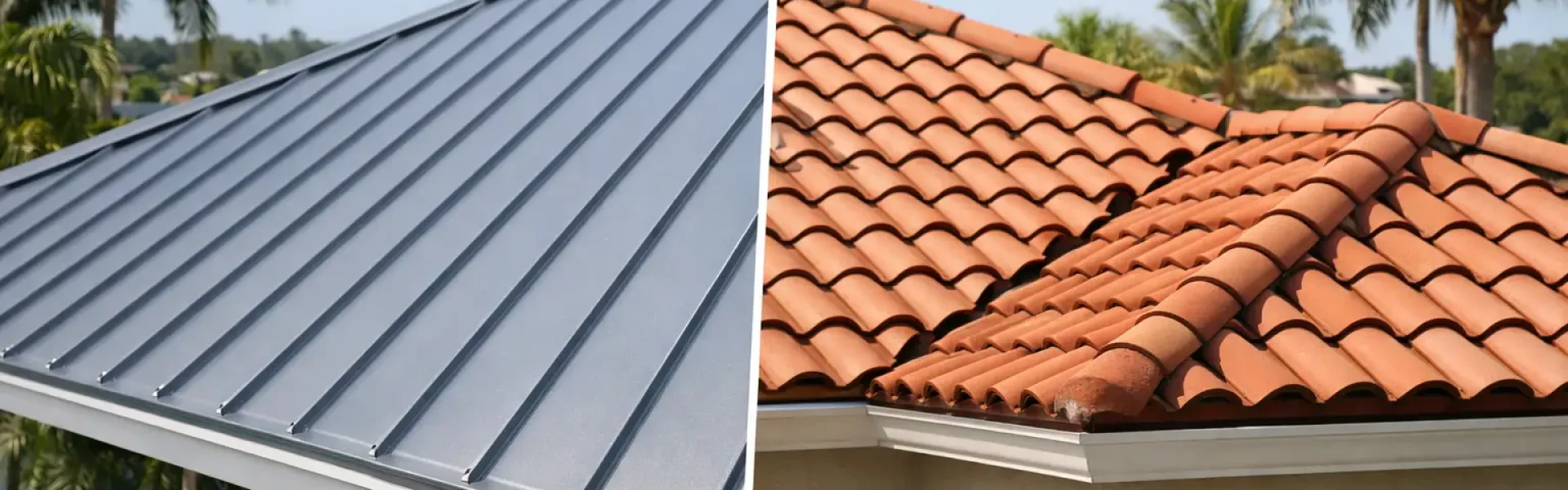
If you own a home in South Florida, roofing decisions are rarely just about looks. They are about wind resistance, insurance concerns, energy performance, maintenance, and how well your roof will hold up when the next major storm moves in. That is why the question of techo metalico vs tejas comes up so often for homeowners in Miami-Dade and Broward.
Both materials can be excellent choices. But they perform differently, cost differently, and make sense for different homes. The right answer depends on your priorities, your property, and how long you plan to stay in the home.
Techo metalico vs tejas: what is the real difference?
At a basic level, a metal roof uses panels or metal roofing systems designed to shed water quickly and resist harsh weather. A tile roof uses individual pieces, often concrete or clay, installed in overlapping rows to create a durable, traditional roofing surface.
For South Florida homeowners, the biggest differences usually come down to weight, storm performance, lifespan, appearance, and installation requirements. Metal tends to be lighter and more modern in profile. Tile tends to offer a classic Florida look and strong curb appeal, especially on Mediterranean, Spanish, and upscale coastal homes.
Neither option is automatically better in every case. A roof should match the home structurally and visually, while also meeting the demands of our climate.
Hurricane resistance matters more here
In many parts of the country, homeowners choose roofing based mostly on style and price. In South Florida, storm performance moves much higher on the list.
Metal roofing is often attractive to homeowners focused on wind resistance. When installed correctly, high-quality metal systems can perform very well in hurricane-prone areas. Their lighter weight can also reduce structural stress compared with heavier materials. Because metal panels are large and interconnected, they can provide excellent water shedding during heavy rain.
Tile roofs can also be built to meet strict code requirements, but they behave differently in storms. The system itself can be highly durable, yet individual tiles may crack, shift, or become dislodged if the roof is older, improperly installed, or hit by debris. That does not mean tile is a weak option. It means installation quality and ongoing maintenance matter even more.
For homeowners comparing techo metalico vs tejas, this is one of the key trade-offs. Metal often appeals to buyers who want a roof system built around storm resilience and lower weight. Tile appeals to buyers who want proven durability with a more traditional high-end look, as long as the home can support it and the system is installed to current standards.
Cost is not just the purchase price
A lot of homeowners ask a simple question first: which roof is cheaper?
The honest answer is that it depends on material type, roof complexity, underlayment, tear-off needs, structural conditions, and local code requirements. In many cases, metal may have a higher upfront cost than basic roofing materials but can be competitive with premium tile installations. Tile can also become more expensive if the home needs structural reinforcement because of the added weight.
What matters more is total ownership cost over time. A lower upfront number does not always mean a better long-term investment. Repairs, maintenance, energy savings, expected lifespan, and replacement cycles all affect the real cost.
Metal roofing can be appealing if you want lower maintenance and a system that may last for decades with proper installation and care. Tile also offers long service life, but repairs can become more specialized, especially if matching older tiles becomes difficult.
If you are planning to stay in your home for many years, it makes sense to think beyond the estimate and look at the bigger picture.
Appearance and curb appeal
This is where personal preference plays a major role.
Tile roofs are deeply tied to South Florida architecture. They complement stucco exteriors, arched windows, and Mediterranean-style homes exceptionally well. For many homeowners, tile simply looks like it belongs here. It carries a premium appearance and can strongly influence resale appeal in certain neighborhoods.
Metal roofs offer a different kind of value. They look clean, sharp, and increasingly upscale, especially on coastal, contemporary, and transitional homes. Today’s metal roofing options come in a wider range of profiles and colors than many homeowners expect, so the finished look can feel much warmer and more architectural than the old industrial image some people still picture.
When choosing between techo metalico vs tejas, style should not be dismissed as cosmetic. A roof changes the entire character of the home. If you love how your house looks with tile, that matters. If you want a more current, streamlined exterior, metal may fit better.
Energy efficiency in the South Florida heat
Heat is a year-round concern here, so roofing should be part of the conversation about comfort and energy use.
Metal roofs are often praised for reflecting solar heat, especially when finished with reflective coatings or lighter colors. That can help reduce attic heat gain and ease some pressure on your cooling system.
Tile roofs also perform well in hot climates. The shape and installation design can allow airflow beneath the tiles, which may help with thermal performance. In practice, both systems can support energy efficiency when paired with the right underlayment, insulation, ventilation, and color selection.
This is an area where homeowners sometimes expect a dramatic winner, but the truth is more balanced. Roof design, attic conditions, and installation details often matter just as much as the material itself.
Maintenance and repairs
No roof is maintenance-free.
Metal roofs generally require less frequent material-specific repair, but they still need inspections, especially after severe weather. Fasteners, flashing, sealants, and panel condition should be checked over time. The advantage is that metal does not crack the way tile can.
Tile roofs can last a long time, but individual tiles may break from foot traffic, debris impact, or age. In South Florida, where roofs are often inspected after storms, that can become part of the long-term maintenance picture. Even if the tile surface looks good, the underlayment beneath it may eventually need attention before the visible roof reaches the end of its life.
That detail surprises many homeowners. A tile roof can still appear solid while the waterproofing components underneath are aging. That is why professional inspection is so important.
Structural weight and installation requirements
One of the clearest differences between metal and tile is weight.
Metal roofing is much lighter, which can make it a practical choice for certain homes and reroof projects. Tile is significantly heavier, and not every structure is an easy candidate for it without evaluation. If a home was not designed for tile, the cost of upgrading the structure can affect the decision quickly.
This is also why installation should never be treated as interchangeable. The crew, fastening method, underlayment system, ventilation approach, and code compliance all matter. A premium roof material installed poorly will not perform like a premium roof.
For homeowners, that means the conversation should never stop at material alone. The installer is part of the product.
Which roof adds more value?
Both can add value, but in different ways.
Tile often boosts curb appeal and aligns well with the expectations of buyers in certain South Florida neighborhoods. If the home style supports it, tile can strengthen the premium image of the property.
Metal often appeals to buyers who care about durability, hurricane readiness, efficiency, and modern aesthetics. It can be especially attractive for homeowners who want a roof that feels practical and high-performing without sacrificing appearance.
Value also depends on age. A newer roof of either type is usually more appealing than an older roof nearing major repair needs. Buyers and insurers pay attention to condition, not just material.
How to choose between techo metalico vs tejas
The best way to decide is to be honest about your top priorities.
If your focus is lighter weight, strong wind performance, modern style, and potentially lower long-term maintenance, metal may be the better fit. If your focus is classic South Florida curb appeal, architectural character, and a traditional premium look, tile may make more sense.
You also need to consider the home itself. Roof slope, structure, neighborhood style, budget, insurance goals, and how long you plan to stay in the property all shape the right answer.
This is where a professional roof evaluation becomes valuable. A qualified local contractor can assess whether your home is a strong candidate for either system, explain code requirements, and help you compare real costs instead of rough guesses. For South Florida homeowners, that local experience matters because roofing here is tied directly to wind zones, moisture exposure, and storm preparation.
At Pro Lux Construction, that is the kind of conversation homeowners need most – clear, honest guidance based on the home, not a one-size-fits-all pitch.
A roof is one of the biggest protective investments you will make for your property. Choose the system that fits your house, your priorities, and the realities of South Florida weather, and you will feel the difference every time the forecast turns serious.
