
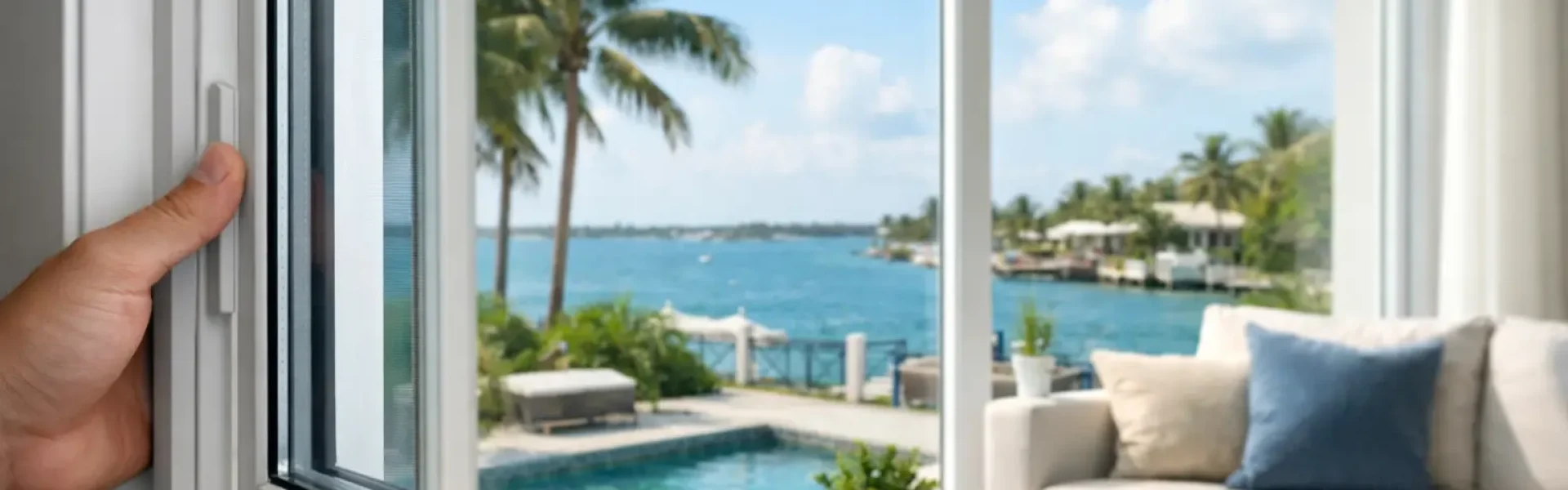
If you are shopping for hurricane protection, an impact window buying guide can save you from making an expensive decision based on the wrong details. In South Florida, windows are not just about looks or daylight. They are part of your home’s storm protection, energy performance, insurance profile, and long-term value.
That is why the best choice is rarely the cheapest quote or the window with the nicest showroom sample. A good buying decision comes from understanding what matters most for your home, your location, and your budget.
What an impact window buying guide should help you compare
Many homeowners start by comparing brands, but that is only one piece of the process. The more useful comparison is product plus installation plus code compliance. A strong window can still underperform if it is installed poorly or specified incorrectly for the opening.
In Miami-Dade and Broward, this matters even more because local requirements are strict and wind exposure can vary from one property to another. Homes near the water, larger openings, and second-story installations may need different solutions than a more sheltered inland property.
When you review proposals, look at the full package. That includes design pressure ratings, approval documentation, frame material, glass construction, installation method, permit handling, and warranty support. If a contractor cannot explain these clearly, that is a sign to slow down.
Start with code approval and wind performance
The first question is simple: is the window approved for your area and for the specific opening where it will be installed? In South Florida, impact windows should meet the relevant building code requirements and product approval standards. This is not a marketing feature. It is the baseline.
You will often hear about large missile impact testing and design pressure ratings. These are critical because they tell you how the window is tested for debris impact and how much wind load it is designed to handle. Bigger is not always better in a vacuum. The right rating depends on your home’s exposure, height, and opening size.
A homeowner does not need to become an engineer, but you should expect a clear explanation. If two quotes are far apart in price, one reason may be that the products are not actually equivalent. Lower cost sometimes means lower performance ratings, different frame construction, or shortcuts in the scope of installation.
Frame materials affect more than appearance
Frame selection is one of the most overlooked parts of the process. Most homeowners notice color and profile first, but the material affects durability, maintenance, and energy efficiency too.
Aluminum frames are popular in South Florida because they are strong and work well for larger openings and modern designs. They tend to offer a slimmer profile, which many homeowners like. The trade-off is that aluminum can conduct heat more readily than other materials, so thermal performance depends heavily on the specific product design.
Vinyl frames can offer good insulation and low maintenance. They are often appealing for homeowners who want energy savings and a clean look. The trade-off is that not every vinyl product is the same, and some homeowners prefer the structural feel and sightlines of aluminum for certain applications.
The best option depends on your priorities. If you are focused on a contemporary look and large expanses of glass, aluminum may make more sense. If energy performance and lower upkeep are high on your list, vinyl may be worth a close look.
Glass options matter for comfort and efficiency
Impact glass does more than resist storm damage. It also affects how your home feels every day. South Florida homeowners often notice the difference in indoor temperature, outside noise, and UV exposure after replacing older windows.
Laminated impact glass is built to stay together when struck, which helps maintain the building envelope during a storm. Beyond storm protection, many products also help reduce noise and block a significant amount of UV rays that can fade flooring, furniture, and artwork.
Low-E coatings and insulated glass options can improve energy performance, but not every home needs the same glass package. A west-facing room with strong afternoon sun may benefit from a different configuration than a shaded side of the house. This is where a thoughtful recommendation matters more than a one-size-fits-all sales pitch.
Style should fit the home and the opening
Window style is not only an aesthetic choice. It affects ventilation, operation, cleaning, and even cost. Single-hung, casement, sliding, and picture windows each have practical advantages depending on the room and the size of the opening.
Casement windows can provide a tight seal and excellent ventilation, but they may not be ideal in every location. Sliding windows are easy to operate and popular for wider openings, though their performance can vary by product. Single-hung windows remain common in many homes and can be a solid option when properly specified.
The right recommendation should reflect how you actually use the space. A bedroom, living room, stairwell, and waterfront opening may each call for a different approach. Good design balances protection, function, and curb appeal.
Installation quality is as important as the window itself
This is the part homeowners cannot afford to treat as an afterthought. Even the best-rated impact window depends on proper measurement, anchoring, flashing, sealing, and finishing. Poor installation can lead to air leaks, water intrusion, operational issues, and failed inspections.
Ask who is responsible for permits, measurements, and final inspection. Ask whether the installation team is experienced with South Florida code requirements and replacement conditions common in older homes. Concrete block construction, stucco finishes, and existing damage around openings can all affect the scope.
A professional installer should also prepare you for what happens inside the home. Some projects involve trim work, patching, or touch-up needs after the new windows are set. Clear expectations make the process smoother and help you compare bids fairly.
Understand the real cost, not just the quote
Every homeowner wants value, but value is not the same as the lowest number on the page. A quote should reflect the actual scope of work, the quality of the product, local permitting, and the experience required to install it correctly.
Pricing can vary based on opening size, frame type, glass package, style, structural conditions, and whether you are replacing all windows at once or completing the project in phases. Custom shapes and larger openings usually cost more. So do homes that require additional labor due to access or condition issues.
This is also where financing can make a practical difference. Many homeowners prefer to move forward with the right solution now rather than delay protection or settle for less. If financing is available, it can help align the project with your budget while still prioritizing safety and performance.
Questions to ask before you sign
A strong impact window buying guide should leave you with better questions, not just more product terms. Ask what approvals apply to your project. Ask what design pressures are being specified. Ask who handles permits and inspections. Ask what warranty covers the product and what warranty covers the installation.
Also ask what is included in the proposal and what is not. Interior patching, exterior stucco repair, debris removal, and lead times should all be discussed upfront. A detailed answer usually signals a company that has done this process many times and knows how to manage it well.
If a contractor rushes past these details, that is a concern. This is a major home improvement investment, and you deserve clarity.
Choosing a company, not just a window
Homeowners often spend a lot of time comparing manufacturers and not enough time evaluating the company behind the installation. In reality, your experience depends heavily on communication, field expertise, scheduling, permitting, and how problems are handled if they come up.
Look for a company that understands South Florida homes and can explain the process in plain language. You want a team that respects your property, installs to code, and gives you confidence from the first inspection through final walkthrough. That local knowledge is one reason many homeowners turn to companies like Pro Lux Construction when they want both protection and a more polished exterior upgrade.
The right project should leave you with more than new windows. It should leave you with a quieter, stronger, more efficient home and a clear sense that the investment was done correctly.
When you are ready to compare options, take your time, ask better questions, and focus on the full picture. The best impact windows are the ones that fit your home, meet local demands, and are installed by a team that treats protection like a responsibility, not just a sale.
