
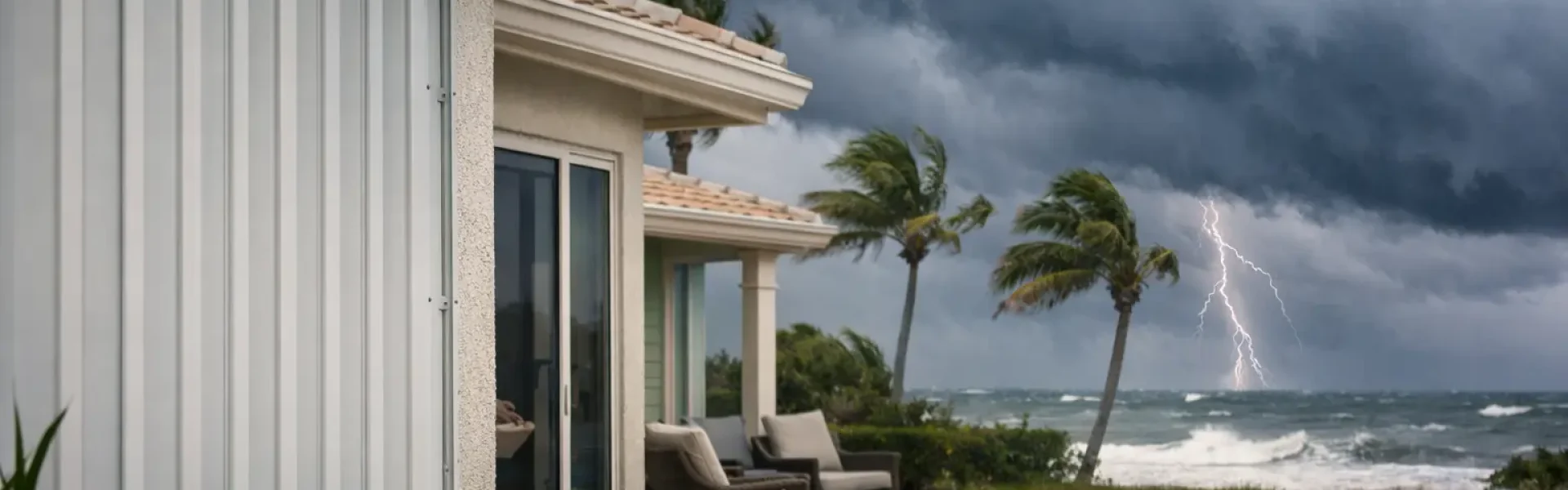
A late-season storm track shifting toward South Florida can turn a normal week into a race against time. If your home is still relying on older windows, a worn roof, or doors that were never built for hurricane pressure, preparation gets expensive fast. A smart home storm protection guide starts before a watch is issued, when you still have time to make decisions that protect your family, your property, and your long-term home value.
For homeowners in Miami-Dade and Broward, storm protection is not just about stocking batteries and moving patio furniture. The real protection comes from the building envelope – the roof, windows, doors, and other exterior components that stand between your home and wind-driven rain, flying debris, and pressure changes that can cause major structural damage.
Why a home storm protection guide matters in South Florida
Storm risk in South Florida is different from many other parts of the country. Homes here face hurricane-force winds, prolonged rain, and debris impact, often in the same event. A weak point in one part of the exterior can lead to damage far beyond that single area.
For example, one broken window can allow pressure to build inside the home. That pressure can worsen roof damage, increase water intrusion, and create a much larger repair scope. The same is true for an entry door that fails under stress or a roofing system that has aged past its reliable service life.
That is why storm preparation should be looked at as a system, not a checklist of unrelated products. You are not just buying a new window or replacing shingles. You are reinforcing the home so each part performs better with the others.
Start with the parts of your home most likely to fail
The best place to begin is with an honest inspection of your exterior. In South Florida, older windows and doors are often the most obvious vulnerabilities, especially if they were installed before current code standards or are showing signs of wear. Difficulty opening and closing, visible gaps, moisture between panes, and frame deterioration are all warning signs.
Your roof deserves equal attention. Missing shingles or tiles, soft spots, recurring leaks, and visible aging all point to a system that may not hold up well during a major storm. Even if a roof is not actively leaking today, that does not mean it is ready for hurricane season.
Garage doors also matter more than many homeowners realize. A large door opening can become a major pressure point during high winds. If the garage door is not rated or reinforced for storm conditions, it may put the rest of the structure at greater risk.
Impact windows and doors are a long-term upgrade
Many homeowners start with temporary protections because they seem less expensive upfront. Shutters and panels can help, but they come with trade-offs. They need to be installed before each storm, stored the rest of the year, and deployed correctly under time pressure. If you are away from home or physically unable to secure them quickly, that system has limits.
Impact windows and impact doors offer a more permanent approach. They are designed to resist debris strikes and maintain the integrity of the opening even if the glass cracks. That matters because the goal is not simply preventing visible breakage. The bigger objective is keeping wind and water from compromising the interior and increasing structural stress.
There are also everyday benefits that make the investment easier to justify. Well-made impact products can improve insulation, reduce outside noise, and enhance curb appeal. For many South Florida homeowners, storm protection and property upgrades happen at the same time, which often makes more financial sense than repeating short-term fixes every season.
Roofing is the backbone of storm protection
If windows and doors protect the openings, the roof protects everything underneath them. A strong roofing system helps resist uplift, sheds water properly, and reduces the chance that a small issue turns into widespread interior damage.
Not every roof needs full replacement, but every roof should be evaluated on age, condition, and code compliance. Repairs may be appropriate if the damage is isolated and the remaining system is still sound. In other cases, patchwork repairs only delay a larger problem. If your roof is aging, has repeated issues, or no longer meets the level of protection you want for your home, replacement can be the smarter long-term move.
Material choice matters, but installation quality matters just as much. Even a premium roofing product can underperform if flashing, underlayment, fastening, or edge details are not handled correctly. For hurricane-prone areas, workmanship is not a cosmetic issue. It is a protection issue.
Don’t ignore water intrusion paths
When homeowners think about storms, they often think first about wind. In reality, wind-driven rain causes many of the most frustrating and expensive losses. Water finds weak seals, aging flashing, roof penetrations, and poorly installed openings.
That is why a true storm-readiness plan includes more than impact resistance. It also includes proper sealing, drainage, and detailing around exterior components. If your home has had prior leak issues around windows, doors, or roof transitions, those areas should be reviewed before the next major storm season arrives.
Small signs matter here. Staining on ceilings, bubbling paint, musty smells, or damp drywall around openings often point to hidden moisture pathways. Waiting until after a storm to investigate them usually leads to bigger repairs.
Code compliance and installation quality make a real difference
In South Florida, code requirements exist for a reason. Products need to be appropriate for the wind zone, the opening, and the structure they are being installed into. Homeowners sometimes compare prices without realizing they are not comparing the same level of protection.
A lower quote can look appealing until you learn that the product rating, installation scope, or permit process is not equivalent. This is where local expertise matters. The right contractor should be able to explain what is being installed, why it fits your home, and how the process will be handled from inspection through final approval.
That clarity matters just as much as the product itself. Homeowners should not have to guess whether their windows, doors, or roofing system were installed to the standards their property requires.
Budget matters, but so does timing
Storm upgrades are a significant investment, and most homeowners are balancing protection goals with real budget constraints. The practical approach is to prioritize based on risk. If your roof is near failure, that may come first. If your roof is in good shape but your openings are outdated, impact windows and doors may be the stronger next step.
Financing can also make a difference, especially when the better long-term option costs more upfront. Spreading the investment over time can allow homeowners to complete meaningful protection upgrades now instead of settling for temporary measures that may need to be replaced later.
Timing is another factor. Waiting until a storm is approaching limits your options and can add stress to an already difficult situation. Planning upgrades before peak hurricane activity gives you more control over scheduling, product selection, and budget.
What to do before the next storm warning
A good home storm protection guide should leave you with clear next steps. First, assess your roof, windows, doors, and garage door honestly. If any of them are aging, damaged, or not built for current South Florida demands, move them to the top of your priority list.
Second, think beyond temporary fixes. Shutters and emergency prep still have their place, but permanent exterior upgrades reduce last-minute scrambling and strengthen your home every day of the year. Third, work with a contractor who understands local code requirements, installation standards, and the specific storm pressures South Florida homes face.
For many homeowners, the best move is starting with a professional exterior evaluation. A clear inspection can help you separate cosmetic concerns from true storm vulnerabilities and build a plan that fits your property and budget. Companies like Pro Lux Construction focus on the systems that matter most here – impact windows, impact doors, and roofing solutions designed for South Florida conditions.
Storm season will always bring uncertainty. Your home should not. When your exterior is built and installed to handle the weather this region is known for, you gain more than protection on paper. You gain confidence every time the forecast starts to change.
