

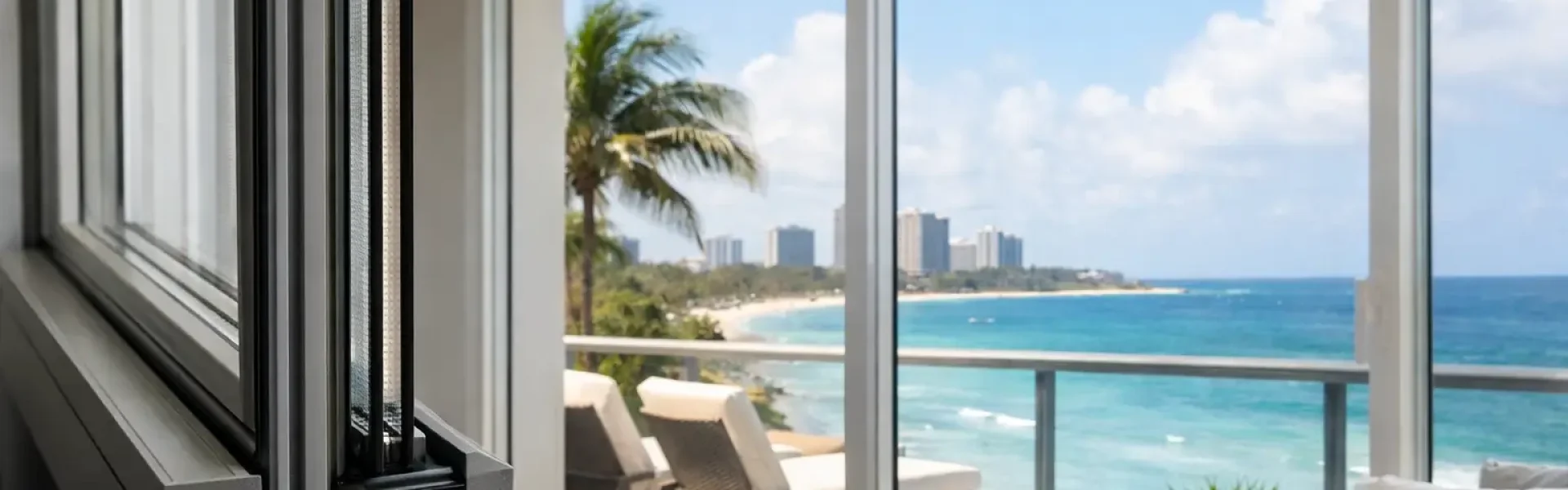
If you own a home in South Florida, windows are not a cosmetic decision. They are part of your storm protection plan, your energy-efficiency strategy, and your home’s long-term value. This guia ventanas de impacto is built for homeowners who want clear answers before making a major investment.
In Miami-Dade and Broward, impact windows are often discussed as if they are all the same. They are not. Two products can both be labeled hurricane-resistant and still perform very differently based on glass construction, frame quality, installation method, and code approval. The right choice depends on your home, your location, your budget, and how long you plan to stay in the property.
What impact windows actually do
Impact windows are designed to resist wind pressure and flying debris during severe storms. The glass usually includes multiple layers with a strong interlayer that helps hold the pane together even if it cracks. That means the window is meant to stay in place and continue protecting the home’s envelope instead of shattering inward.
That protection matters for more than broken glass. When a window fails during a hurricane, wind can enter the home and increase internal pressure. That pressure can contribute to major structural damage, including roof failure in extreme conditions. A properly rated impact window helps reduce that risk.
There are also everyday benefits. Many homeowners notice improved noise control, better indoor comfort, less UV exposure on floors and furniture, and lower strain on the air conditioning system. Those benefits do not replace storm protection, but they do make the investment easier to justify year-round.
A practical guia ventanas de impacto for homeowners
The first thing to check is product approval. In South Florida, code compliance is not optional, and homeowners should expect impact windows to meet the standards required for local wind zones. Ask for the specific approvals tied to the product being installed, not just a general statement that the windows are up to code.
The second factor is design pressure, often called DP rating. This helps show how much wind load the window can handle. Higher is not always automatically better if the window is not appropriate for the opening, but the rating should match the engineering needs of your specific home.
The third factor is large missile impact testing. This is what many homeowners mean when they ask whether a window is hurricane-proof. No window is indestructible, but tested impact products are built to withstand demanding debris and pressure standards.
Then there is the frame. Aluminum frames are strong and popular in South Florida, while vinyl can offer energy-efficiency advantages in some applications. The best option depends on exposure, maintenance expectations, architectural style, and budget. Material alone does not tell the whole story. A premium frame with poor installation can still become a weak point.
Why installation matters as much as the product
Homeowners often focus on the glass package and overlook the most important variable – installation quality. Even a top-tier impact window can underperform if the opening is measured incorrectly, the anchoring pattern is wrong, or waterproofing details are rushed.
A professional installation should account for the existing wall condition, substrate, fastening schedule, sealants, and local code requirements. In older homes, the installer also needs to identify hidden issues around the opening, such as deteriorated framing, previous water intrusion, or nonstandard dimensions.
This is one reason full-service companies are valuable. A clear process, permitting support, product knowledge, and experienced crews reduce the chance of delays or costly mistakes. For many South Florida homeowners, peace of mind comes not from the brochure but from knowing the job is being handled correctly from measurement through final inspection.
Choosing the right style for your home
The best impact window is not just the strongest one. It should also fit the way you use the home. Single-hung windows are common and cost-effective, but they offer less ventilation flexibility than casement or sliding options. Casement windows can seal tightly and provide excellent airflow, but they may not suit every opening or architectural style.
Picture windows are ideal when the goal is natural light and unobstructed views, though they do not open. Sliding windows work well in spaces where an outward swing would be impractical. If curb appeal matters, which it usually does, style consistency across the front elevation should be part of the decision.
This is where a homeowner has to balance performance, budget, and appearance. The most expensive configuration is not always necessary in every room. Bedrooms, living spaces, and front-facing openings may deserve a different approach than a small side window in a low-visibility area.
What affects the cost of impact windows
There is no honest flat price that fits every home. The total investment depends on window size, frame material, glass package, number of openings, installation complexity, permitting, and whether any structural repairs are needed along the way.
Custom shapes and larger openings usually cost more. Homes with difficult access, older construction, or unusual masonry conditions may also require more labor. If you are comparing quotes, make sure you are comparing the same scope. A lower number can look attractive until you realize it excludes permit handling, disposal, finish work, or upgraded product approvals.
Financing can make the project more manageable, especially when the goal is to replace multiple openings at once instead of doing the home in stages. For many families, that approach offers better protection and a more consistent finished look.
Energy efficiency and insurance benefits
In South Florida, energy efficiency is not a side benefit. It affects daily comfort and monthly utility costs. Well-built impact windows can help reduce heat transfer, especially when paired with quality low-E glass and proper installation. The result is a home that feels more stable indoors, even during long stretches of high heat and humidity.
Insurance is another factor homeowners should review early. Depending on the property and policy, impact windows may help qualify for credits or discounts. The savings vary, and homeowners should confirm details directly with their insurance provider, but it is a real part of the value equation.
The biggest financial return is not always immediate. Some of it comes from storm resilience, reduced maintenance, improved resale appeal, and avoiding the repeated cost of temporary storm preparation. Buyers in this market understand the value of a protected home.
Common mistakes to avoid
One of the biggest mistakes is buying based on price alone. A cheap product or rushed install can lead to leaks, operating problems, failed inspections, or disappointing performance when you need the windows most.
Another mistake is assuming all impact windows look bulky or limit design options. Modern products offer clean sightlines, attractive finishes, and styles that work well in both contemporary and traditional homes.
Homeowners also wait too long. Once storm season gets active, lead times can tighten and installation schedules can fill quickly. Planning ahead gives you better product availability and more time to evaluate options without pressure.
How to know you are ready to move forward
You are ready for quotes when you can answer a few basic questions. Do you want to replace all windows at once or phase the project? Are noise reduction and energy efficiency major priorities, or is storm protection the main goal? Are you planning to stay in the home long term? Those answers help shape the right recommendation.
A strong consultation should leave you with more clarity, not more confusion. You should understand the product options, the installation process, the expected timeline, and the financing path if needed. If a company cannot explain those details clearly, keep looking.
For South Florida homeowners, impact windows are one of the few upgrades that touch safety, comfort, appearance, and value at the same time. That is why the right decision is not just about what is on the label. It is about choosing a solution that fits your home and a team that knows how to install it the right way.
If you are starting the process now, use this guide as your baseline and ask better questions. The more informed you are before the first measurement, the more confident you will feel when it is time to protect your home for the long haul.
