
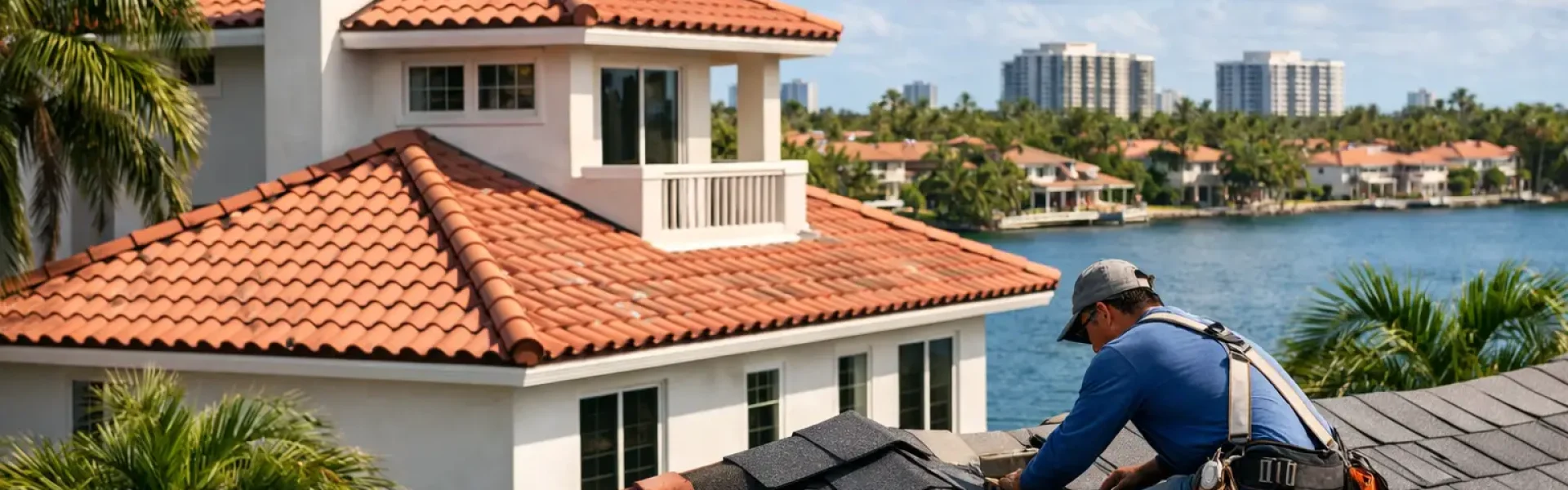
A roof in South Florida has a harder job than most. It has to handle brutal sun, wind-driven rain, humidity, salt air, and the real possibility of hurricane season putting every weak point to the test. That is why a florida roofing guide should do more than explain materials. It should help homeowners understand what actually holds up here, what affects cost, and what decisions protect both the home and the investment.
For homeowners in Miami-Dade and Broward, roofing is not just a cosmetic upgrade. It is part of your storm protection system, your energy performance, and your long-term property value. If you are replacing an aging roof or planning ahead before the next storm season, the right approach starts with local conditions, code requirements, and installation quality.
What makes a Florida roofing guide different
Roofing advice that works in other parts of the country can fall short in South Florida. A roof here is exposed to more than everyday weather. Heat breaks down materials over time, sudden downpours test drainage fast, and coastal conditions can wear on metal components and fasteners. On top of that, stricter building codes and product approvals matter because roofs in this region are expected to perform under serious wind pressure.
That means the best roofing choice is rarely about one feature alone. A lower upfront price may look appealing, but it may not deliver the lifespan, energy savings, or storm performance you want. A premium material may last longer, but only if it is installed correctly and matched to the structure of the home. In South Florida, material and workmanship have to work together.
The most common roofing options for South Florida homes
Asphalt shingles
Asphalt shingles are often the most budget-friendly option for residential roof replacement. They are familiar, widely available, and come in a range of colors and styles. For many homeowners, they offer a practical balance between appearance and cost.
The trade-off is longevity and wind performance. While some shingle systems are rated for strong winds, shingles generally do not last as long as tile or metal in the South Florida climate. They can also be more vulnerable to uplift if installation is not done to a high standard. For homeowners planning to stay in their home for many years, a lower initial cost may not always mean better value.
Tile roofing
Tile is a popular choice throughout South Florida for good reason. Concrete and clay tiles offer a distinct look, strong curb appeal, and excellent durability. They also tend to perform well in heat, which can help with energy efficiency when combined with proper underlayment and attic ventilation.
Tile does come with considerations. It is heavier than other systems, so the structure of the home must be able to support it. Repairs can also be more specialized, and while tiles themselves can last a long time, the underlayment beneath them may need attention sooner. Homeowners often choose tile for its long-term performance and appearance, but it requires an experienced installer who understands local code and roof system design.
Metal roofing
Metal roofing has gained attention among Florida homeowners who want durability, clean lines, and strong weather resistance. Quality metal systems can hold up very well against wind and shed water efficiently during heavy rain. Many homeowners also like the energy benefits, since reflective finishes can reduce heat absorption.
The main trade-off is cost. Metal roofing usually requires a higher upfront investment than shingles. It also demands precise installation details, especially around penetrations, edges, and fastening systems. In coastal areas, selecting the right finish and corrosion-resistant components matters. Done right, metal can be one of the strongest long-term options available.
Flat and low-slope roof systems
Some South Florida homes have flat or low-slope sections, often over additions, patios, or modern-style designs. These roofs need a different approach than steep-slope systems. Drainage becomes critical, and the membrane or surface system must be selected carefully to resist standing water, UV exposure, and storm conditions.
This is one area where shortcuts create problems fast. A flat roof that is not sloped properly or sealed with the right materials can develop leaks long before the homeowner expects it.
How to choose the right roof for your home
The right answer depends on your priorities. If budget is the main concern and you need a solid replacement now, shingles may make sense. If you want a longer-lasting roof with strong visual appeal, tile may be worth the investment. If your goal is a premium roofing system with impressive wind resistance and modern performance, metal may be the better fit.
Your home itself also plays a role. Roof pitch, architectural style, structural support, neighborhood standards, and proximity to the coast all affect what makes sense. Insurance considerations may matter too, especially if your current roof is older or if you are looking for improvements that may support better insurability.
A good contractor should walk you through these variables clearly. Homeowners do not need a sales pitch. They need honest guidance on what fits the property, the budget, and the long-term plan.
Florida roofing guide to storm protection and code compliance
In South Florida, roof replacement is closely tied to hurricane readiness. That includes the roof covering itself, but also the underlayment, flashing, attachment methods, edge details, and inspection process. A roof is a system, not just a surface.
Product approvals matter because not every roofing material is rated equally for Florida conditions. Local code requirements matter because installation details are not optional. Permit requirements matter because they help verify that the work meets current standards. These are not small details that can be handled casually after the contract is signed. They should be part of the planning from the beginning.
For homeowners, this means asking practical questions. Is the roofing system approved for local use? How is it fastened? What underlayment is being used? What happens around valleys, vents, skylights, and roof-to-wall transitions? The best roofing projects are the ones where those answers are clear before work starts.
What affects roof replacement cost in South Florida
Roof pricing can vary more than homeowners expect. Material is one factor, but it is not the whole story. The size and shape of the roof, number of penetrations, slope, tear-off requirements, structural repairs, permit costs, and installation complexity all affect the final number.
A simple shingle roof on a straightforward home will usually cost less than a tile or metal roof with multiple elevations and detailed flashing work. Homes near the coast may also require extra attention to corrosion resistance and product selection. If damaged decking or underlying issues are found during tear-off, that can add to the scope as well.
This is why the cheapest proposal is not always the best one. A lower estimate may leave out important items, use lower-grade components, or fail to reflect the real conditions of the roof. A clear proposal should explain what is included, what approvals are being used, and what contingencies could change the price.
Signs it is time to replace instead of repair
Not every roofing issue means full replacement. Some isolated damage can be repaired effectively if the rest of the roof is still in good shape. But there are times when repairs become a short-term patch on a bigger problem.
If your roof is approaching the end of its expected lifespan, if leaks keep returning, if storm damage is widespread, or if visible wear is affecting large sections, replacement may be the smarter investment. The same is true if your current roof no longer meets the performance expectations you want for insurance, efficiency, or hurricane protection.
A professional inspection should help separate a repairable issue from a roof that is simply worn out. That kind of clarity saves homeowners from spending money twice.
Choosing a roofing contractor in South Florida
The contractor matters as much as the material. A high-quality roof can fail early if the installation is rushed or key details are missed. For South Florida homes, homeowners should look for a company with local experience, a strong understanding of code requirements, clear communication, and a process that feels organized from inspection through final cleanup.
It also helps to work with a company that understands the bigger picture of home protection. Roofing does not exist on its own. It connects to ventilation, water management, storm resistance, and the overall envelope of the house. That is part of why many homeowners want a partner who can guide them clearly, explain financing options if needed, and handle the project professionally from start to finish. For homeowners who want that level of service, Pro Lux Construction is built around that kind of experience.
The best time to think about your roof is before a small issue turns into interior damage, insurance stress, or emergency replacement during storm season. A strong roof adds peace of mind in a place where the weather can change fast. If your current roof is aging or showing signs of wear, getting a professional inspection now can give you better options, better timing, and a lot more confidence when the next storm heads toward South Florida.
