

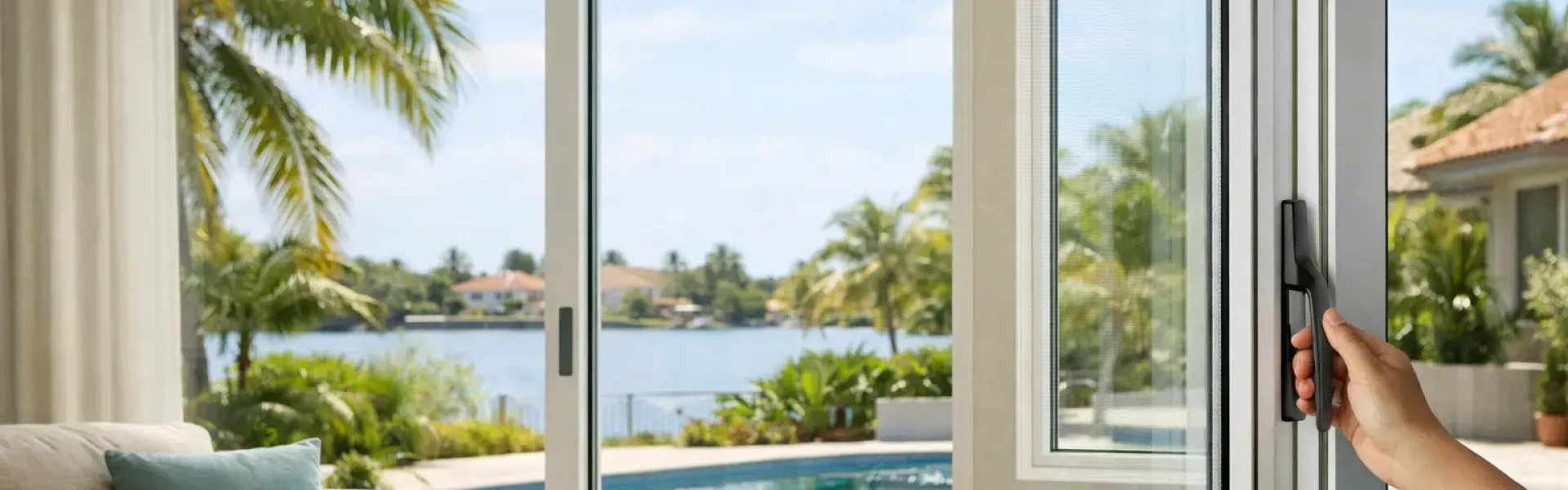
Your air conditioner should not have to fight your windows all day. In South Florida, heat, humidity, and intense sun put constant pressure on your home, which is why energy efficient windows matter more here than in many other parts of the country. The right windows can help reduce heat gain, improve indoor comfort, support storm protection, and make your home feel quieter and more secure.
For many homeowners, the real question is not whether new windows can help. It is which features actually make a difference, and whether the investment makes sense for a home in Miami-Dade or Broward. That is where a clear understanding of performance, materials, and installation becomes important.
What makes energy efficient windows different?
Energy efficient windows are designed to slow the transfer of heat between the outside and inside of your home. In a hot climate, that means reducing how much solar heat enters through the glass and frame. The goal is simple: keep cooled air in, keep excessive heat out, and help your HVAC system work less.
That performance comes from several parts working together. The glass matters, but so do the frame, the coatings, the spacing between panes, and the quality of the installation. A window is only as good as the complete system.
Low-E glass is one of the biggest factors. This type of coating helps reflect heat while still allowing natural light into the home. For South Florida homeowners, that balance matters. You want bright interiors without turning every sun-facing room into a greenhouse by noon.
Insulated glass also plays a role. Double-pane windows with gas fills can improve thermal performance, though the value depends on the specific product and the way your home is exposed to sun. In our region, impact-resistant glass is often part of the equation too, which means homeowners are looking for products that protect against storms while also helping with energy performance.
Why energy efficient windows matter in South Florida
A home in South Florida faces a different set of demands than a home in a milder climate. Strong sun, salt air, tropical storms, and long cooling seasons all influence how your windows should perform.
The first benefit most homeowners notice is comfort. Rooms with older windows often feel hotter near the glass, especially in the afternoon. You may also feel drafts, uneven temperatures, or that constant need to lower the thermostat just to stay comfortable. New windows can help stabilize those swings.
The second benefit is efficiency. If your windows let in too much heat, your AC runs longer and harder. That can push up monthly energy use and increase wear on your cooling system. While savings vary by home, efficient windows can support lower cooling loads, particularly when replacing outdated single-pane or poorly sealed units.
There is also the issue of UV exposure. Strong sunlight can fade flooring, furniture, artwork, and fabrics over time. Many high-performance windows help reduce UV penetration, which protects interior finishes while keeping spaces brighter and more usable.
For local homeowners, hurricane protection cannot be separated from the conversation. Impact windows are often chosen first for safety and code compliance, but many modern impact products also offer excellent thermal performance. That means you may not need to choose between storm protection and energy efficiency if you select the right system.
The features to pay attention to
When comparing energy efficient windows, product labels and sales language can get confusing fast. A good decision comes down to a few core performance factors.
Glass package and coatings
In South Florida, the glass package often has the biggest effect on indoor comfort. Low-E coatings help reduce heat transfer, and some options are specifically tuned for hotter climates. Tint can also influence solar heat gain, though darker is not always better. You want a product that controls heat without making your home feel dim.
Solar heat gain coefficient
This rating tells you how much solar radiation passes through the window. In a cooling-dominant climate like ours, a lower number is usually better because it means less heat is entering the home. That can be especially helpful on west-facing walls that take the harshest afternoon sun.
U-factor
The U-factor measures how well a window prevents heat from escaping or entering. In South Florida, this still matters, but solar heat gain is often the more urgent concern. A window with strong overall thermal performance should balance both numbers rather than leaning too heavily on one.
Frame material
Vinyl, aluminum, and other frame materials each have pros and cons. Vinyl can offer strong insulation and lower maintenance. Aluminum is durable and popular in coastal markets, but thermal performance depends on the specific design. The best choice depends on your home’s style, exposure, budget, and the product’s full engineering, not just the frame label.
Air and water resistance
Efficiency is not only about heat. If a window allows air leakage or moisture intrusion, comfort and durability suffer. In coastal South Florida, this is a serious issue. A high-quality window should be built and installed to handle wind-driven rain, pressure changes, and long-term exposure to the elements.
Installation matters as much as the window itself
A premium window installed poorly can still underperform. Gaps, improper sealing, and bad alignment can all reduce energy performance and create problems with moisture, drafts, and operation.
That is why experienced installation matters. Homes in Miami-Dade and Broward must meet strict standards, especially when impact products are involved. Proper measurement, product selection, anchoring, sealing, and finishing all affect the result.
This is also where homeowners often underestimate the value of working with a company that handles the process clearly from start to finish. Good installation protects your investment, helps the window perform as intended, and reduces the risk of problems that show up months later.
Are energy efficient windows worth the cost?
In many cases, yes, but the payoff depends on what you are replacing and what your goals are. If your current windows are older, drafty, difficult to operate, or not impact-rated, replacement often delivers value in several ways at once. You may gain comfort, storm protection, lower maintenance, better appearance, and support for long-term property value.
If your main goal is utility bill savings alone, the math can vary. Some homes see more noticeable efficiency improvements than others based on sun exposure, insulation, HVAC condition, and the number of windows being replaced. That is why homeowners should look at the full picture rather than expecting one simple savings number.
For South Florida properties, the stronger argument is often combined performance. Energy efficient windows can help you create a cooler, quieter, safer home while updating the exterior and meeting local storm demands. That broader return is what makes the investment more compelling.
How to know it is time to replace your windows
Some signs are obvious. You feel heat radiating through the glass, your rooms are hard to keep comfortable, or the frames show visible wear. Other signs are easier to miss.
If your energy bills feel high even after AC maintenance, your windows may be part of the problem. If outside noise seems to come straight through the glass, that may point to poor sealing or outdated construction. Condensation between panes, difficulty opening and closing windows, and signs of water intrusion around the frame are all reasons to take a closer look.
Hurricane readiness is another trigger. Many older windows were not built to current impact standards. If your home still relies on aging glass or temporary storm solutions, replacement can improve both protection and everyday performance.
Choosing the right solution for your home
There is no one-size-fits-all answer. A waterfront property with direct sun exposure may need a different glass package than a shaded suburban home. A homeowner preparing for storm season may prioritize impact performance first, while another may focus on reducing heat in a west-facing family room.
The best approach is to evaluate your home’s exposure, your existing windows, and your goals together. Product quality matters, but so does local experience. A contractor who understands South Florida codes, weather, and homeowner priorities can help you avoid overpaying for features you do not need or missing the ones that matter most.
At Pro Lux Construction, that local perspective is part of the value. Homeowners need windows that do more than look good in a showroom. They need systems that hold up in real South Florida conditions and are installed with care.
When your windows are doing their job, you notice it every day. The house feels cooler, the rooms feel more comfortable, and storm season feels a little less uncertain. That kind of improvement is not just about efficiency. It is about making your home work better for the way you live.
