

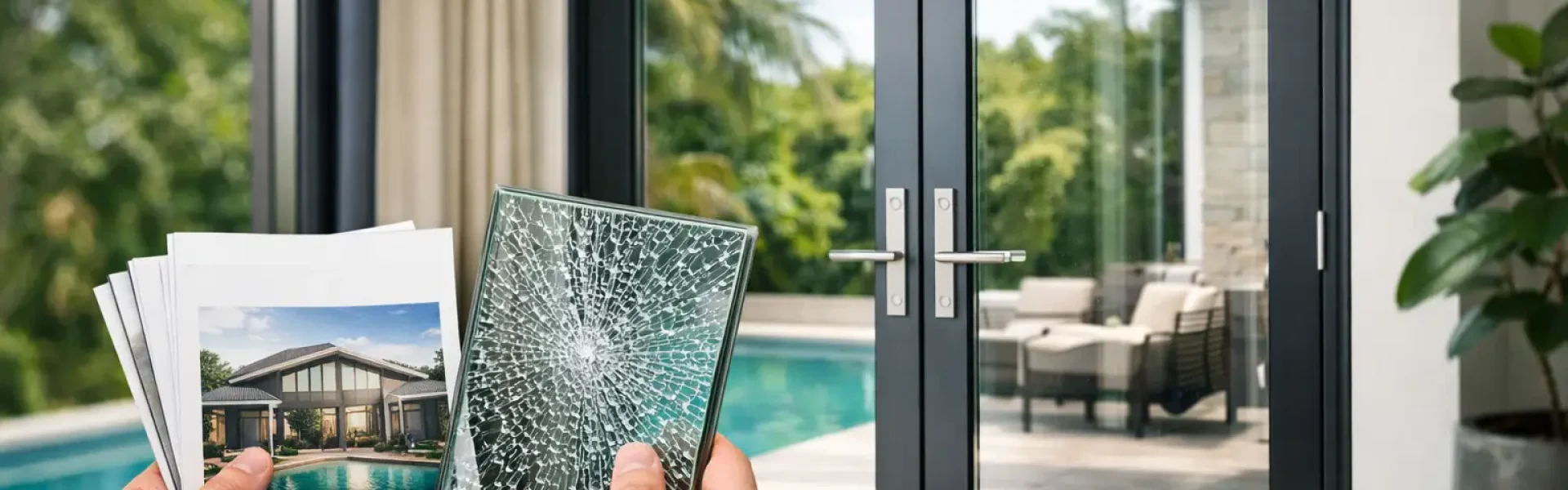
A front door in South Florida has to do more than look good. It has to stand up to hurricane-force winds, resist flying debris, help control indoor temperatures, and still make your home feel secure and polished every day. If you are wondering how to choose impact doors, the right answer starts with performance first, then style, then installation quality.
For homeowners in Miami-Dade and Broward, that order matters. A beautiful door that is not properly rated or installed can become a weak point during a storm. On the other hand, the right impact door can strengthen your home’s envelope, improve energy efficiency, reduce outside noise, and add real curb appeal.
How to choose impact doors: start with code and ratings
The first thing to check is whether the door is approved for your location. South Florida has some of the toughest building requirements in the country for a reason. Products need to meet strict standards for wind pressure, impact resistance, and water infiltration.
Look for doors that are tested and approved for use in High Velocity Hurricane Zones if you live in an area where that applies. You also want to confirm the design pressure rating matches the needs of your home. This is not a detail to guess on. The right rating depends on factors like your property’s location, height, exposure, and opening size.
A homeowner does not need to become an engineer, but you do want a contractor who can explain what those approvals mean in plain language. If someone is selling you based only on appearance or price, and not discussing product approvals and site conditions, that is a red flag.
Material matters more than most homeowners expect
When people compare doors, they often focus on color or glass design first. Material deserves more attention because it affects durability, maintenance, and the overall look of the finished entry.
Aluminum impact doors are a popular choice in South Florida because they hold up well in humid, coastal conditions and offer a clean, modern appearance. They are also relatively low maintenance, which appeals to homeowners who want long-term performance without constant upkeep.
Fiberglass impact doors can be a strong option if you want the look of painted or stained wood with better resistance to moisture, warping, and rot. They often work well on homes aiming for a warmer or more traditional style.
Wood can look impressive, but in South Florida it usually requires more maintenance and careful product selection. Not every homeowner wants that commitment. The right choice depends on your priorities. If low maintenance and storm durability are at the top of your list, aluminum or fiberglass often makes more practical sense.
Glass options affect safety, light, and privacy
Many impact doors include glass, and that can be a major design advantage. It can brighten an entryway, make a home feel more open, and elevate curb appeal. But the amount and type of glass should be chosen carefully.
Impact-rated glass is designed to resist breakage from windborne debris. Even if the outer layer cracks, the interlayer helps keep the opening protected. That is a big part of what makes impact products different from standard glass doors.
The trade-off is that more glass can mean less privacy, and depending on the design, it can change the amount of heat entering the home. That does not mean you should avoid glass. It means you should choose the right configuration. Frosted glass, textured glass, or decorative glass inserts can help you balance natural light with privacy.
If the door faces strong afternoon sun, ask about energy-efficient glass options as well. The right glass package can help reduce heat gain and make the space near the entry more comfortable.
How to choose impact doors that fit your home’s style
An impact door should protect your home, but it should also look like it belongs there. A sleek full-lite door may look great on a contemporary property, while a paneled fiberglass door may better suit a Mediterranean, coastal, or traditional home.
This is where homeowners sometimes get stuck between two extremes. Some choose the safest-looking option and sacrifice design. Others chase a dramatic style without thinking through how it will age or fit the rest of the exterior. The best choice usually sits in the middle – a door that feels current, complements the architecture, and still prioritizes performance.
Color also plays a bigger role than many people expect. Dark finishes can look sharp and upscale, but they may show wear differently over time depending on exposure. Lighter finishes can feel clean and coastal. Hardware finish matters too. The handle set, hinges, and lock trim should work with the door style, not compete with it.
Security features should be part of the conversation
Impact resistance and security are connected, but they are not exactly the same. A door can be impact-rated and still vary in its locking system, frame construction, and overall security package.
Ask about multi-point locking systems, reinforced frames, and hardware quality. These features help the door perform better not just during storms, but in everyday use. A well-built impact door should feel solid, close properly, and create confidence the moment you use it.
This is especially important for front entries, side garage doors, and rear patio access points. If a door protects against storm pressure but feels weak in day-to-day operation, it is not the right long-term investment.
Do not overlook the frame and installation
One of the biggest mistakes homeowners make is focusing only on the door slab. The full system matters. That includes the frame, threshold, hardware, fasteners, sealants, and the way everything is anchored to the structure.
A high-quality door installed poorly can still fail. Water intrusion, air leaks, operational issues, and reduced storm performance often trace back to installation problems, not just the product itself. That is why contractor experience matters so much in South Florida.
A professional installer should assess the opening conditions, confirm measurements carefully, explain permit requirements, and install the system according to manufacturer specifications and local code. Clean finishing work matters too. You want the project to perform well and look finished, not patched together.
This is where working with a local company matters. A contractor familiar with South Florida homes understands the permitting process, regional exposure conditions, and the installation details that affect long-term performance. Pro Lux Construction works with homeowners through that full process so the decision feels clear from product selection to final installation.
Budget matters, but price alone is not the best filter
Every homeowner has a budget, and impact doors are a serious investment. Still, the cheapest quote is rarely the best value. Price can vary based on material, size, glass design, hardware, customization, and installation complexity.
A lower quote may leave out important details like upgraded hardware, better finishes, permit handling, or proper site preparation. It may also reflect lower installation standards. That can cost more later if the door leaks, sticks, or underperforms when you need it most.
A better approach is to compare proposals based on what is actually included. Ask what product line is being used, what approvals apply, what hardware comes standard, and whether the scope includes permits, removal of the old door, finishing work, and warranty support. Financing can also make a better-quality door more manageable without settling for a product you do not fully trust.
Think about daily comfort, not just storm season
Most homeowners start shopping for impact doors because of hurricane protection, and that makes sense. But the benefits show up all year. A well-made impact door can help reduce drafts, improve insulation, and cut outside noise. If your current entry door feels hot to the touch, lets in sound, or never quite seals right, replacing it can improve comfort immediately.
That matters in South Florida, where sun, humidity, and frequent storms put constant pressure on the home’s exterior. The right door is not just for the next named storm. It is part of making your home quieter, more efficient, and more secure every day.
What to ask before you make a final decision
Before signing a contract, make sure you understand three things clearly: whether the door is properly rated for your home, what is included in the installation, and how the final design will look on your property. Those answers should feel specific, not vague.
A good contractor will walk you through material choices, show you style options that fit your home, explain performance ratings, and answer cost questions without pressure. That kind of clarity is usually a sign you are dealing with a company that takes both protection and workmanship seriously.
The best impact door is not simply the strongest or the most expensive one. It is the one that matches your home, meets local code, performs in South Florida weather, and is installed the right way. Choose with that standard in mind, and you will feel the difference every time you lock the door behind you.
