

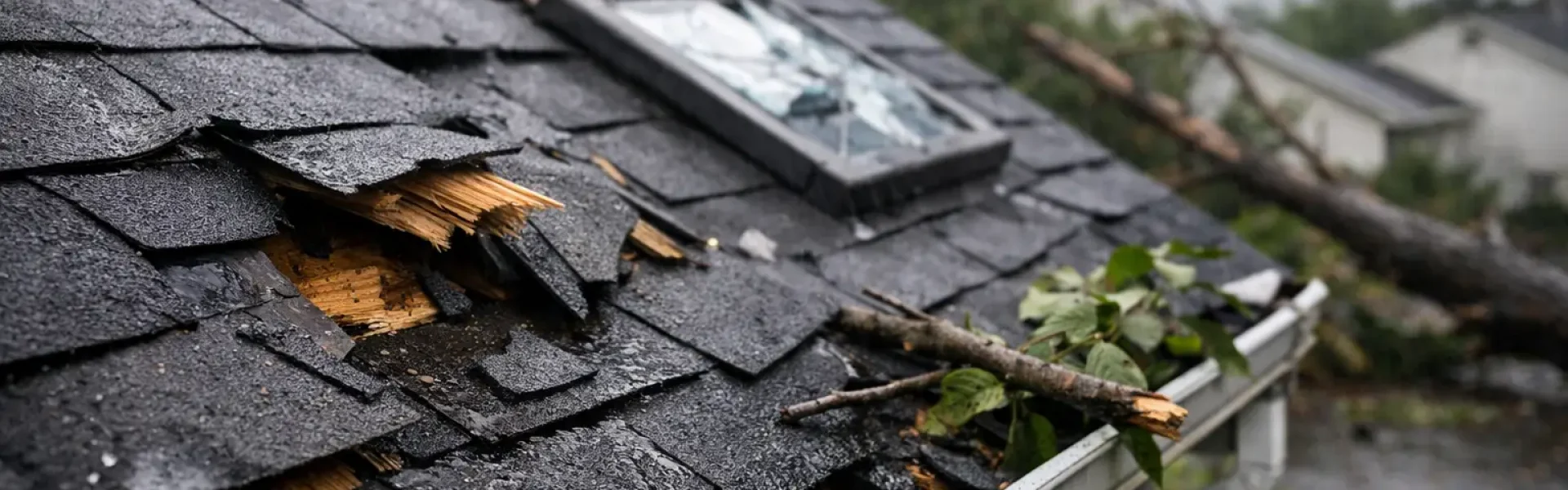
After a strong South Florida storm, roof damage is not always obvious from the driveway. Some señales de daño de techo por tormenta show up as a small ceiling stain, a few granules near the gutter, or a section of shingles that no longer sits flat. What looks minor on day one can turn into a leak, mold problem, or structural repair if it is missed. For homeowners in Miami-Dade and Broward, knowing what to watch for can help you act early and protect both your home and your investment.
Why storm roof damage is easy to miss
Wind, heavy rain, flying debris, and repeated storm exposure can weaken a roofing system in ways that are easy to overlook. A roof may still be covering the house, but that does not mean it is fully sealed or performing the way it should. In South Florida, this matters even more because one storm event is rarely the last of the season.
A roof can be compromised in one area while the rest looks fine. Wind may lift edges, break seals, loosen flashing, or create small openings around vents and valleys. Water then follows the path of least resistance, which means the leak inside may appear far from the actual damage above.
Señales de daño de techo por tormenta outside the home
The first place many homeowners look is the yard, and that is a smart start. If you see roofing materials on the ground after a storm, there is a good chance your roof needs attention. That can include shingles, tile fragments, pieces of flashing, or metal trim that came loose in high winds.
For shingle roofs, one of the clearest warning signs is missing, lifted, curled, or creased shingles. A shingle that has been bent back by wind may settle down again and look almost normal from the ground, but the seal may already be broken. Once that happens, the next storm can do more damage much faster.
If your home has a tile roof, cracks and displaced tiles are common storm concerns. Even one shifted tile can expose underlayment and create a path for water intrusion. With metal roofing, look for loose panels, lifted seams, denting from debris, or fasteners that appear backed out.
Granule loss is another sign many homeowners miss. If you notice an unusual amount of asphalt granules collecting in gutters or near downspouts, your shingles may have taken a hit. Granules protect the surface from weather and UV exposure. When they come off, the roof ages faster and becomes more vulnerable.
Flashing deserves close attention too. Storms often damage the metal components around chimneys, walls, skylights, and roof penetrations. If flashing has pulled away, bent, or rusted through, water can enter even when the field of the roof still looks intact.
Interior signs that point to roof storm damage
Sometimes the strongest clues are inside the house. A yellow or brown water stain on the ceiling is an obvious one, but it is not the only sign. Peeling paint, bubbling drywall, damp insulation in the attic, or a musty smell after rain can all point to a roofing issue.
If you have access to the attic, check for dark spots on the wood, moisture around vents, or small rays of daylight coming through the roof deck. Daylight where it should not be usually means an opening that can let water in as well.
Keep in mind that water does not always appear immediately after the storm that caused the damage. A roof can be weakened first, then begin leaking later during the next heavy rain. That delay causes some homeowners to assume the problem is new when it actually started weeks earlier.
What storm damage looks like on different roof types
Not every roof fails the same way. That is why a quick visual check should be matched to the material on your home.
On asphalt shingle roofs, wind damage usually shows up as lifted tabs, creases, missing shingles, and exposed nail lines. On tile roofs, the concern is often cracked, slipped, or broken tiles along with underlayment damage underneath. On flat or low-slope sections, standing water, membrane punctures, and seam separation are more common. On metal roofs, lifted edges and failed fasteners tend to be the bigger issue.
The trade-off is that some materials hide damage better than others. Tile may look durable from the ground while the waterproof layer below has already been compromised. Shingles may show damage more openly, but that also means early repairs are often easier if caught in time.
When a small problem is not actually small
Homeowners sometimes wait because the damage does not seem urgent. That is understandable, especially if the roof is not actively dripping. But storm damage rarely improves on its own.
A loosened section can spread under repeated wind exposure. A tiny opening around flashing can soak nearby wood over time. Moisture trapped in insulation can reduce energy efficiency and create indoor air quality issues. In South Florida’s heat and humidity, that process can move faster than many people expect.
There is also the insurance side to consider. If storm damage is documented promptly, you are usually in a stronger position than if you wait until the issue becomes severe or difficult to trace back to a specific weather event.
What homeowners should do after a storm
Start with a safe ground-level inspection. Walk around the property and look for visible roof changes, debris impact, clogged gutters, and anything out of place. Inside, check ceilings, attic areas, and upper walls for moisture or staining.
Take photos if you notice anything unusual. That includes the roofline, fallen materials, water marks, and exterior damage around the home. Good documentation helps if repairs or an insurance claim become necessary.
Avoid climbing onto the roof yourself, especially after heavy rain or wind. Wet surfaces, loose materials, and hidden weak spots make that risky. A professional roof inspection is the safer and more reliable next step.
Why a professional inspection matters in South Florida
Storm exposure in this region is not just about one dramatic event. Repeated wind, sun, moisture, and salt air can combine to wear down roofing systems over time. A trained inspection can identify whether the storm caused cosmetic issues, functional damage, or signs of a roof nearing the end of its service life.
That distinction matters. Sometimes a targeted repair is enough. In other cases, patching one area of an older roof may only delay a larger problem. The right recommendation depends on the roof type, age, installation quality, and extent of the storm impact.
This is where local experience matters. South Florida homes face a different set of demands than homes in milder climates, and roofing decisions should reflect hurricane risk, code requirements, ventilation, and long-term durability. Companies like Pro Lux Construction understand how those factors come together and what homeowners here need from a roofing solution.
Repair or replacement depends on the damage
Not every storm-damaged roof needs to be replaced. If the damage is isolated and the roofing system is still in good condition overall, repairs may restore performance and extend the roof’s life. That is often the most cost-conscious option.
If the damage is widespread, if leaks have affected multiple areas, or if the roof was already aging before the storm, replacement may make more sense. A new roofing system can improve protection, efficiency, appearance, and resale value while reducing the stress of repeated repairs.
Financing can also affect the decision. Some homeowners prefer a longer-term upgrade now instead of paying for temporary fixes that add up over time. The best path is the one that protects the home properly and fits your budget without cutting corners on installation quality.
Don’t ignore the early warning signs
The biggest mistake after a storm is assuming no major leak means no real problem. Many of the most expensive repairs start with damage that looked minor at first. If your roof has been through a strong storm and you have noticed even one of these warning signs, it is worth having it checked before the next round of weather moves in.
A careful inspection now can save you from interior damage, bigger repair costs, and avoidable stress later. When it comes to protecting your home in South Florida, fast attention is not overreacting. It is smart ownership.
