

A roof leak in South Florida rarely stays a small problem for long. One heavy storm can turn a stained ceiling into damaged insulation, ruined drywall, and a much bigger bill. That is why the decision between roof repair and replacement is not just a budget question—it is a protection question, especially for homeowners in Miami-Dade and Broward who need their roof to withstand heat, humidity, wind, and hurricane season.
For some homes, a targeted repair is the right move. For others, replacing the roof saves money, reduces stress, and prevents repeated service calls. The best decision depends on the roof’s age, the type of damage, the material, and how long you plan to stay in the home.
Roof repair versus replacement: the real difference
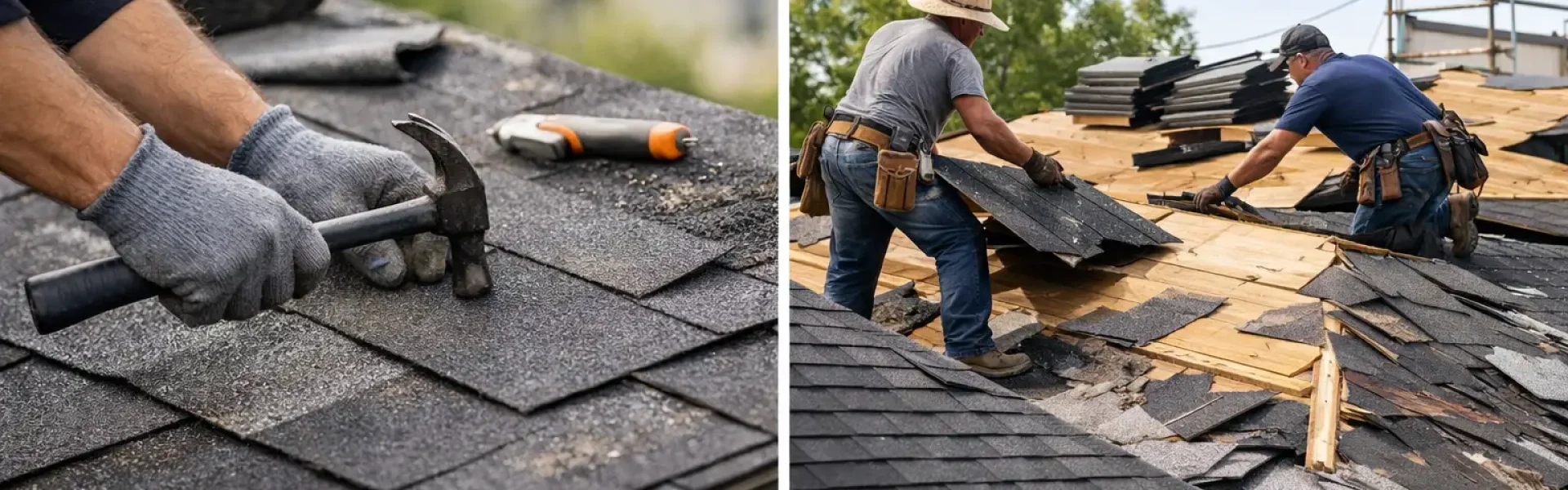
Roof repair means fixing a specific issue while keeping most of the existing roofing system in place. That could include replacing a section of shingles, resealing flashing, repairing underlayment damage, or addressing a localized leak around a vent or valley.
Roof replacement means removing and reinstalling all or most of the roofing system. In some cases, that includes decking repairs, updated underlayment, improved ventilation, and a new roof covering designed to meet current code requirements.
The difference matters because a repair solves an isolated problem, while a replacement addresses the overall condition of the roof. If the roof is still structurally sound and the damage is limited, repair can be efficient and cost-effective. If the roof is aging or failing in multiple areas, replacement is often the safer long-term investment.
When a roof repair makes sense
A repair is usually the better option when the damage is minor and the rest of the roof is in solid condition. If a recent storm displaced a small section of tiles or shingles, or if flashing around a chimney or vent has failed, a skilled repair may restore the roof without the cost of a full replacement.
Repairs also make sense when the roof is relatively new. If your roof still has many years of expected life left, replacing the entire system over one isolated issue may not be necessary.
Another good candidate for repair is damage that is clearly limited to one area. A leak around a roof penetration is different from widespread underlayment failure—one is often fixable, while the other usually indicates larger system wear.
That said, repairs only work when they address the true source of the problem. A ceiling stain does not always mean the leak is directly above it. Water can travel. That is why a proper inspection matters before patching a visible spot and calling the job done.
When replacement is the smarter choice
Replacement becomes the better option when the roof is near the end of its service life, showing repeated failures, or has storm damage across multiple areas. In South Florida, roofs endure constant stress from UV exposure, salt air, heavy rain, and high winds. Even if the damage looks manageable from the ground, the full system may be more compromised than it appears.
If you have already paid for several repairs in recent years, replacement often becomes the more economical option. At a certain point, repeated patchwork costs more than investing in a new, reliable system.
Replacement may also make sense if your roof no longer meets your goals for insurance, energy efficiency, or hurricane readiness. Many homeowners are not just trying to stop leaks—they want stronger protection and better performance.
Key factors homeowners should consider
Age of the roof
Age is one of the clearest indicators. A newer roof with isolated damage typically leans toward repair, while an older roof with recurring issues leans toward replacement.
Extent of damage
Localized damage can often be repaired successfully. Widespread issues—like cracked tiles, lifted shingles, soft decking, or multiple leaks—suggest a broader problem.
Cost now versus cost later
A repair is cheaper upfront, but repeated repairs can add up quickly. It is important to evaluate long-term costs, not just the immediate price.
Storm resistance and code compliance
In South Florida, this factor is critical. Older roofs may still function, but they may not provide the same level of protection as newer, code-compliant systems.
Roof repair versus replacement in South Florida
South Florida conditions make roofing decisions more urgent. Hurricane-force winds can exploit small weaknesses, intense sun accelerates wear, and heavy rain quickly exposes hidden issues.
That means delaying action on an aging roof can be risky. A roof that performs well in mild weather may fail during a storm.
Local factors also make repairs more complex. Matching older materials can be difficult, and hidden moisture damage is common. Repairs done without a full system evaluation are often temporary.
Signs you should not ignore
Some warning signs push the decision toward replacement, including repeated leaks, sagging areas, visible daylight in the attic, widespread material damage, mold caused by moisture intrusion, and rising energy bills.
A roof can also appear fine from the outside while hiding serious problems underneath. After a major storm, a professional inspection is strongly recommended—even if no obvious damage is visible.
How to make the right decision
Start with a professional inspection. A reliable contractor should clearly explain the extent of the damage, available options, and expected lifespan of each solution.
Ask direct questions: Is the issue isolated or widespread? How long will a repair last? Will it hold through the next storm season?
A trustworthy contractor will explain trade-offs honestly. Sometimes a repair is enough. Other times, replacement is the more responsible long-term choice.
A strong roof does more than cover your home. It protects your investment, improves comfort, and gives you peace of mind during severe weather. If you are noticing signs of damage or wear, this is the right time to get clarity and make a decision that protects your home for years to come.
