
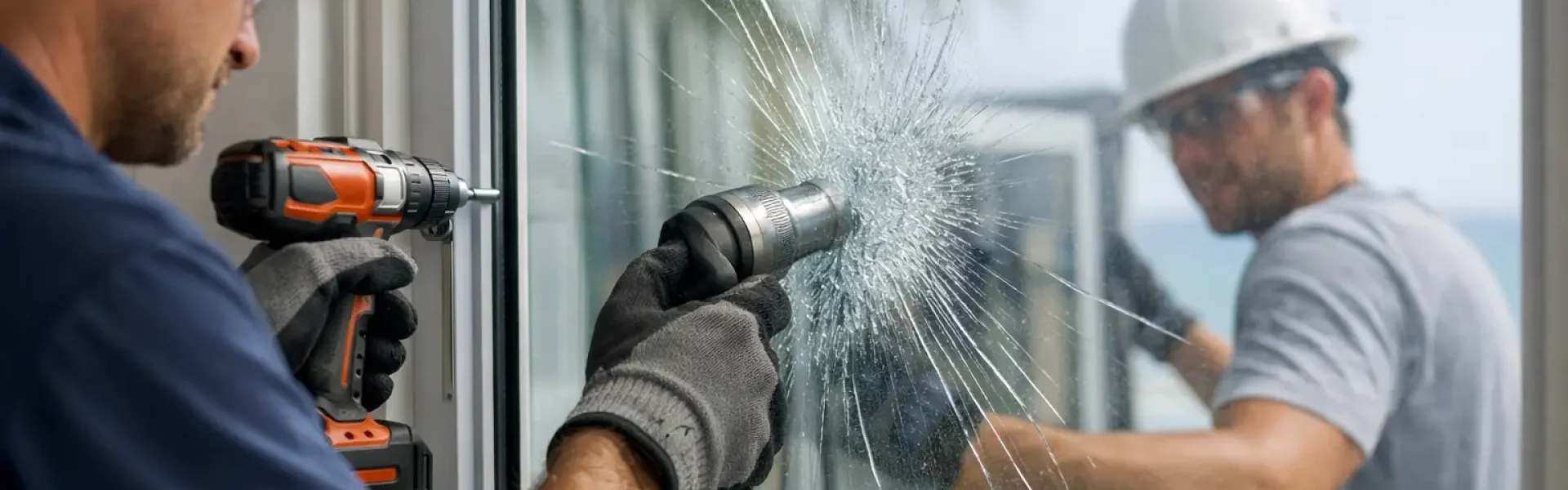
A beautiful impact window can still fail if the installation is done incorrectly. In South Florida, that is not a minor detail—it is the difference between a window that truly protects your home and one that may not perform as expected when wind pressure, flying debris, and heavy rain arrive. That is why certified impact window installation matters just as much as the product itself.
Homeowners in Miami-Dade and Broward often focus first on glass ratings, frame materials, and style options. Those choices matter, but installation is where performance becomes real. A certified installation ensures your impact windows are properly anchored, correctly sealed, and installed in compliance with the approval requirements for your home.
Why certified impact window installation matters
Impact windows are tested as complete systems. That means the glass, frame, fasteners, anchors, sealants, and installation method all work together. If one part of that system is incorrect, the overall performance can be compromised.
For South Florida homeowners, that has serious implications. Hurricane protection is the obvious concern, but it is not the only one. Proper installation also affects water intrusion, air leakage, daily comfort, and long-term durability.
A certified installation gives homeowners confidence that the job is being completed according to manufacturer specifications and local building codes. It also reduces the risk of shortcuts that can lead to callbacks, repairs, or failed inspections.
What certified installation actually means
The term “certified” is often used loosely, so it is important to understand what it should mean in practice. A true certified impact window installation is not just a crew showing up with the right tools—it is a process that follows approved product specifications, local permitting rules, and proper installation standards for the specific structure.
It begins with accurate measurements and selecting the right product for the opening. Different homes have different structural conditions and code requirements. A concrete block opening is not the same as a wood-frame structure. A high-rise unit faces different pressures than a single-family home. The installation method must match those conditions.
It also requires knowledge of fastening patterns, anchor depth, shim placement, sealant compatibility, and waterproofing procedures. These are not cosmetic details—they directly impact performance under stress.
The biggest risk of poor installation
Most homeowners assume a bad installation would be obvious right away. Sometimes it is—you may notice gaps, difficulty opening the window, or visible water damage. But often, problems appear over time.
A window can look finished while hiding serious weaknesses. Improper anchoring can affect structural integrity. Poor sealing can lead to water intrusion. Misalignment can strain moving parts and reduce lifespan. In South Florida’s climate, these issues tend to surface quickly.
This is where a low price can become expensive. Saving money upfront does not help if you later face repairs, interior damage, failed inspections, or full replacement work.
Certified installation and local code compliance
South Florida is one of the most demanding construction environments in the country. Miami-Dade and Broward building codes exist for a reason. Homes in this region require products and installation methods that can withstand severe weather.
Compliance is not optional. It affects permits, inspections, insurance, and overall peace of mind. A qualified installer should know how to match approved products with the correct installation methods for your property.
This is especially important in older homes, where openings may not be perfectly aligned and hidden structural issues may exist. Proper evaluation before installation helps prevent costly problems later.
What homeowners should expect during the process
A professional impact window project should feel organized from the beginning. It typically starts with an on-site evaluation to assess current windows, structural conditions, and project goals.
After that, measurements are finalized, products are selected, and permits are processed. Installation follows a clear sequence: removal of existing windows, preparation of the opening, installation of the new unit according to specifications, and sealing to protect against air and water infiltration.
A clean finish matters—but the hidden work matters more. Homeowners should feel comfortable asking how the window is anchored, what sealants are used, and how the installation meets approval standards.
Signs you are working with the right contractor
You do not need to be an expert to recognize professionalism. A qualified contractor should explain the process clearly, answer questions directly, and set realistic expectations regarding timeline, permits, and costs.
They should tailor recommendations to your specific home, not offer a generic solution. Transparency is key—this includes written proposals, product details, scope of work, permits, and warranties.
If a contractor is vague about the process or who will perform the installation, that is a red flag.
Cost, value, and financing
Certified impact window installation is an investment, and it typically costs more than standard window replacement. This is because you are paying for code-compliant products, skilled labor, proper permits, and installation quality.
The value, however, goes beyond storm protection. Properly installed impact windows can improve comfort, reduce outside noise, enhance energy efficiency, and increase property value.
For many homeowners, financing options make it easier to move forward without delaying necessary upgrades.
Why local experience matters in South Florida
Impact windows are not a generic upgrade in this market. South Florida homes face hurricanes, intense sun, heavy rain, and strict building regulations. Local experience is critical.
Contractors must understand regional construction practices, inspection processes, and homeowner priorities—like storm protection, heat reduction, and long-term durability.
A local company like Pro Lux Construction represents the level of expertise homeowners should look for when making this type of investment.
Questions to ask before signing
Before moving forward, ask who handles permits, how the installation will be performed, what product approvals apply, and what warranty coverage is included.
Also ask what happens if structural issues are discovered during installation. The answers should be clear and direct.
Communication matters as well—timeline, crew schedule, property protection, and final inspection should all be explained in advance.
The decision that protects your investment
When choosing impact windows, it is easy to focus on visible features like style and finish. However, installation quality is what determines real performance.
A certified installation turns a good product into a reliable system. It ensures compliance, durability, and protection when it matters most.
If you are planning to upgrade your windows, do not treat installation as an afterthought. Choosing the right team will protect your home, your comfort, and your investment for years to come.
