

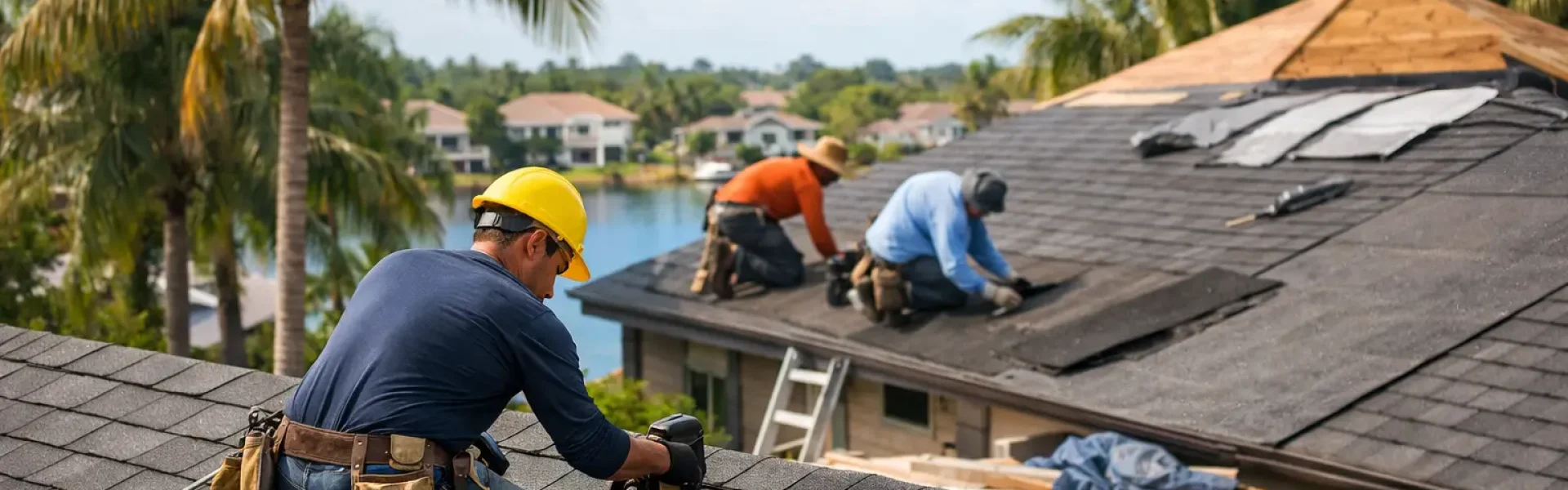
A roof in South Florida rarely fails all at once. More often, it gives warnings first – a small stain on the ceiling, shingles lifting after a storm, tile cracks, or rising energy bills when heat starts pushing into the attic. If you are searching for a guia reemplazo de techo, you are likely trying to answer one practical question: is it time to repair, or is it time to replace and protect the home properly?
For homeowners in Miami-Dade and Broward, that decision carries more weight than it does in many other parts of the country. Your roof is not just a finish material. It is part of your hurricane protection system, your insulation strategy, and your home’s long-term value. A replacement should solve today’s problem, but it should also prepare the property for the next major storm season.
How to use this guia reemplazo de techo
The best way to approach roof replacement is to think in stages, not just price. First, confirm the condition of the current roof. Then compare material options, understand code and permit requirements, review financing or insurance possibilities, and choose an installer who can manage the full process clearly.
That may sound straightforward, but the details matter. In South Florida, the wrong material, poor attic ventilation, or weak installation practices can shorten the life of a roof and create problems that only show up when heavy wind and rain arrive.
When replacement makes more sense than repair
Many homeowners hope a repair will buy them several more years. Sometimes that is realistic. If the issue is isolated, the roof is still within a healthy age range, and the system is otherwise sound, repair can be the smart move.
But there is a point where patchwork stops being cost-effective. If leaks keep returning, if storm damage appears in multiple areas, or if the roof is near the end of its expected service life, replacement is often the safer investment. This is especially true when code upgrades are triggered or when older roofing systems no longer meet the level of protection homeowners want in a hurricane-prone region.
A few warning signs should move replacement higher on your list. Repeated interior leaks, missing or curling shingles, deteriorated underlayment, soft decking, broken or slipping tiles, visible sagging, and granule loss that is advanced enough to affect performance are all signs the roof may be beyond a simple fix. High cooling costs can also be part of the story, particularly if the roofing system is aging and no longer helping the home manage heat effectively.
What a roof replacement includes
Homeowners sometimes picture roof replacement as just removing old material and putting on new material. In practice, the job is broader than that.
A complete replacement often includes tear-off, inspection of the wood deck, repair or replacement of damaged sections, installation of underlayment, flashing updates, ventilation improvements where needed, and the final roofing surface itself. Depending on the home and the product selected, fastening methods, edge details, and waterproofing layers can vary.
That is why estimates can differ. One contractor may price the visible roof covering only, while another may account for code-required upgrades, permit handling, disposal, and deck repairs. A lower number on paper does not always mean a lower total cost by the time the work is done.
Material choices in South Florida
A strong guia de reemplazo de techo should address materials honestly, because there is no single best roof for every property.
Asphalt shingles remain popular because they are typically more budget-friendly upfront and can look clean and attractive on many homes. They are a practical option when installed correctly and selected for local performance needs. The trade-off is that they generally do not match the lifespan or premium feel of some other materials.
Concrete or clay tile is common across South Florida for good reason. It offers strong curb appeal, durability, and a style that fits the region. Tile roofs can perform very well here, but they are heavier and require the structure to support that load. Repairs can also be more specialized, and replacement costs are usually higher than shingle systems.
Metal roofing deserves consideration from homeowners focused on longevity and wind performance. It can be an excellent fit for coastal conditions and can reflect heat effectively depending on the product and finish. The trade-off is usually a higher initial investment, and the quality of installation matters significantly.
The right choice depends on budget, home design, neighborhood standards, long-term plans, and how much value you place on lifespan versus upfront cost. A homeowner planning to stay for many years may view that equation differently than someone preparing to sell within a shorter window.
Permits, code, and inspections
In South Florida, roofing is closely tied to building code compliance. This is a good thing for homeowners, but it also means the process should never be treated casually.
A proper roof replacement generally requires permits and inspections. Local codes may dictate attachment methods, underlayment standards, and other structural or weather-resistance requirements. If enough of the roof is being replaced, certain upgrades may be mandatory rather than optional.
This is where experienced local contractors stand apart. They understand municipal requirements, inspection steps, and how to plan work so homeowners are not left guessing about timelines or paperwork. If a contractor seems vague about permitting, that should raise concern immediately.
Cost expectations and what drives the price
Roof replacement costs vary because roofs vary. Size matters, but so do pitch, complexity, number of penetrations, material choice, tear-off condition, access, and whether damaged decking is discovered after removal.
In South Florida, the quote should also reflect the level of wind resistance and installation detail appropriate for the area. That can increase cost compared with less demanding markets, but it also increases protection where it matters most.
Homeowners should expect a detailed estimate that explains what is included. Ask whether disposal, permits, underlayment, flashing, ventilation adjustments, and wood replacement are covered. Clarify allowance language. If something is listed as “if needed,” ask how that will be documented and priced if the condition is found during the job.
Financing can make a major difference here. Many homeowners choose to replace the roof when needed rather than wait for leaks to spread, then use financing to preserve cash flow. That approach can be especially sensible when the roof affects insurability, storm readiness, and resale value.
Insurance and storm-related replacement
Insurance can play a role, but homeowners should approach it with realistic expectations. Not every aging roof issue is a covered loss. Insurance is generally focused on covered damage events, not normal wear and tear.
If your roof was damaged by a storm, document the issue quickly. Take photos, note dates, and schedule a professional inspection. A contractor familiar with South Florida storm damage can help identify whether the condition looks consistent with a claim-worthy event.
The key is accuracy. Overstating damage creates problems, but underestimating it can leave homeowners paying out of pocket for issues tied to a covered event. A careful inspection is the starting point either way.
Choosing the right roofing contractor
The contractor you hire matters as much as the material you choose. A premium product installed poorly can still fail when the weather turns.
Look for a company with clear local experience, proper licensing and insurance, strong communication, and a process that feels organized from inspection to final cleanup. Ask who handles permits, who supervises the crew, how change orders are communicated, and what kind of workmanship warranty is offered.
It also helps to work with a contractor who understands the broader priorities of South Florida homeowners: hurricane protection, energy efficiency, appearance, and long-term property value. Those goals should shape the recommendation, not just the sales pitch. Companies like Pro Lux Construction build trust by guiding homeowners through the decision with clarity instead of pressure.
What to expect during the project
Most homeowners want to know one thing before work starts: how disruptive will this be?
The honest answer is that roof replacement is noisy and active, but a well-managed project should still feel controlled. You should know when materials arrive, when tear-off begins, how debris will be handled, and what happens if weather interrupts the schedule. Cleanup should be part of the plan, not an afterthought.
You should also expect some unknowns once the old roof is removed. Hidden deck damage is one of the most common examples. That does not mean the project is going off track. It means the contractor is seeing the full condition for the first time and should explain next steps clearly.
Why timing matters in South Florida
Waiting too long to replace a failing roof is expensive in ways that are not always obvious. Water intrusion can damage insulation, drywall, framing, and interior finishes. Delays can also complicate insurance renewals or limit buyer interest if you plan to sell.
There is also the seasonal reality. Once storm season intensifies, demand rises fast. Homeowners who act early usually have more flexibility in scheduling, product selection, and budgeting.
A roof replacement is a major project, but it should not feel like a gamble. With the right inspection, the right material, and the right installer, it becomes a smart upgrade that protects the home where it matters most. If your roof has started showing its age, this is the right time to ask better questions, get a clear assessment, and make the next decision from a position of confidence rather than urgency.
👉 Schedule Your Free Inspection with Pro Lux Construction
Understand your options, improve your home’s performance, and get expert guidance tailored to South Florida conditions.
👉 Ask About Financing Options – Pay in 24 Months https://bit.ly/FinancialOptionProlux
You don’t have to delay your upgrade. Flexible financing can help you move forward now and start seeing the benefits sooner.
👉 Call Now or Request Your Free Quote Online
